
Tribal food of India is not about recipes or cooking techniques. It is about an indigenous way of living where forests, seasons, and community knowledge decide what people eat. For thousands of years, tribal communities have survived by understanding nature eating what the land offers, when it offers it. Their food practices are shaped by ecology and survival, not by taste trends or commercial demand.
Unlike modern diets controlled by markets and packaged products, tribal food systems follow the rhythm of seasons and the wisdom of ancestors. Food is not chosen from shelves, but gathered, shared, and respected. What is eaten, when it is eaten, and how it is sourced reflects a deep cultural identity passed down through generations.
This article explores the tribal food of India through its culture and history, focusing on indigenous food systems rather than recipes. It tells the story of a way of life where food connects people to forests, land, and ancestral traditions, offering lessons of balance, sustainability, and community that modern society is slowly forgetting.
What Is Tribal Food?
Tribal food refers to the indigenous food system developed by the tribal communities of India over centuries while living in close harmony with forests, land, and seasons. It is not defined by written recipes or commercial ingredients, but by traditional knowledge, environmental understanding, and survival-based wisdom passed down orally from one generation to the next. You won’t find it documented in conventional cookbooks.
Unlike modern diets shaped by markets and processed foods, tribal food relies on locally available resources such as wild grains, millets, forest vegetables, roots, tubers, fruits, leaves, and natural sweeteners like honey and mahua. Food choices vary with the seasons, ensuring both nutritional balance and environmental sustainability.
Tribal food is deeply connected to culture, rituals, and daily life. What is eaten, when it is eaten, and how it is cooked are often linked to festivals, agricultural cycles, and forest availability. Simple cooking methods, minimal use of spices, and natural preservation techniques help retain nutrients, making tribal food a healthy and resilient indigenous food system.
History of Tribal Food Practices in India
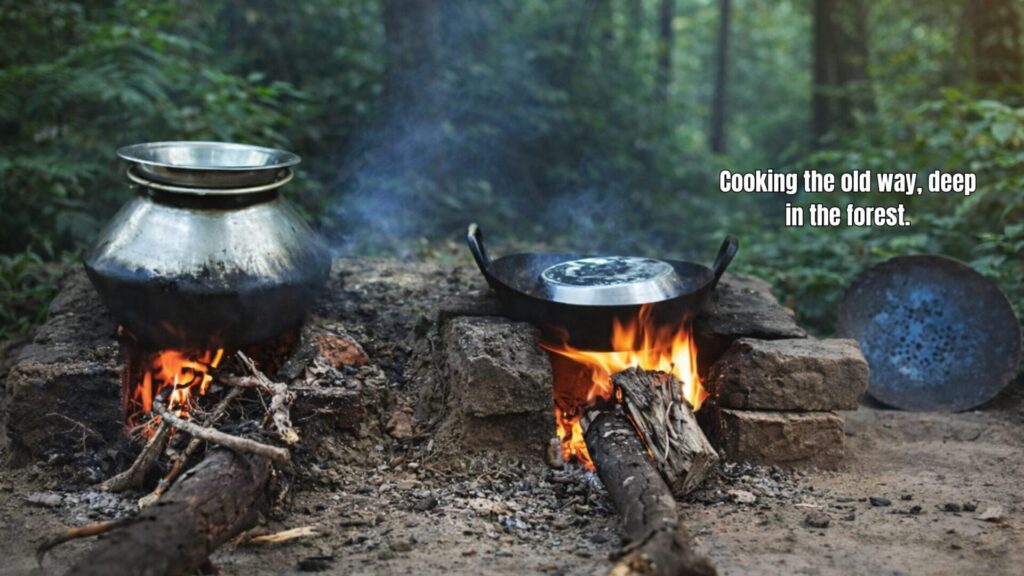
The history of tribal food practices in India is deeply rooted in the earliest human settlements of the subcontinent. Long before organized agriculture, written records, or market-based food systems existed, tribal communities developed self-sustaining food traditions shaped by forests, climate, and everyday survival. These practices evolved over thousands of years through careful observation, experimentation, and a close relationship with nature. Unlike mainstream food histories recorded in texts, the story of tribal food has largely been preserved through oral traditions and lived experience, making it one of the oldest and most resilient indigenous food systems in India.
Pre-Agricultural and Foraging Traditions
In the earliest stages, tribal communities relied mainly on hunting, gathering, and foraging for their survival. Wild fruits, roots, tubers, nuts, leaves, honey, and other edible forest produce formed the foundation of their daily diet. During this period, communities developed deep ecological knowledge, learning to identify edible, seasonal, and medicinal plants while carefully avoiding poisonous species.
Transition to Settled Agriculture and Millets
Over time, many tribal groups gradually shifted from purely forest-based lifestyles to settled forms of agriculture. Hardy crops such as millets, maize, and pulses were cultivated because they required minimal water and could thrive in challenging environmental conditions. This transition marked an important stage in the history of tribal food, where agricultural practices blended seamlessly with traditional forest foraging.
Role of Forests in Shaping Tribal Diets
Even after the adoption of agriculture, forests continued to shape tribal diets. Seasonal forest foods complemented cultivated crops, ensuring dietary diversity and long-term nutritional security. This historical reliance on forests reinforced sustainable harvesting practices, helping prevent the overexploitation of natural resources.
Influence of Climate and Geography on Tribal Food
Geography played a crucial role in shaping tribal food traditions. Communities living in hills, plateaus, river valleys, and dense forests developed food practices suited to local climates. Cooking methods, ingredients, and preservation techniques evolved in response to environmental conditions.
Food, Rituals, and Community Life
Historically, tribal food has always been closely connected to rituals, festivals, and community life. Harvest seasons, forest gatherings, and cultural ceremonies were often marked by collective cooking and sharing, strengthening social bonds.
Continuity of Traditional Food Knowledge
Despite social and economic changes, tribal food knowledge has survived through oral transmission. Elders continue to pass down traditional food practices, environmental wisdom, and cultural values, preserving a living food heritage that connects present generations with their ancestral past. This knowledge, shared from one generation to the next, remains an essential part of tribal culture and identity.
Vegetarian and Non-Vegetarian Tribal Food Traditions
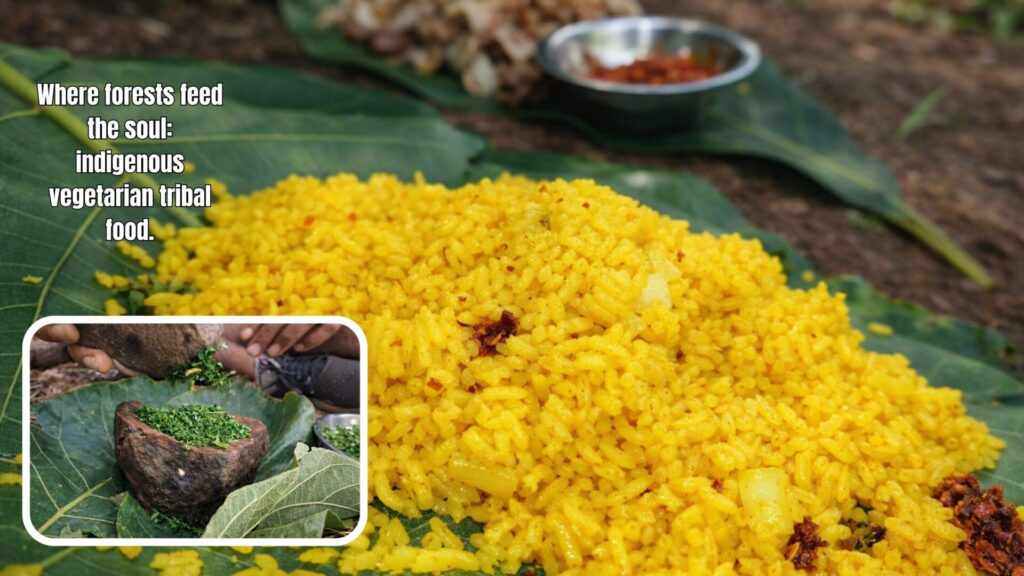
Tribal food traditions in India reflect a deep connection with local ecology, resource availability, and cultural practices. Rather than adhering to rigid dietary patterns, tribal communities have historically adapted their eating habits to suit their environment, seasonal changes, and livelihood needs. As a result, both vegetarian and non-vegetarian foods form an integral part of the tribal diet, often coexisting within the same community.
Vegetarian tribal food is largely based on forest produce and traditional agriculture. Millets, wild grains, seasonal vegetables, leafy greens, roots, tubers, fruits, and natural sweeteners such as honey and mahua play a central role. These foods are prepared using simple cooking methods that preserve nutritional value and reflect a sustainable approach to eating.
Non-vegetarian food traditions, where prevalent, are shaped by practices such as hunting, fishing, and animal husbandry. Meat, fish, and insects are consumed based on availability and cultural norms rather than daily preference. Such foods are often prepared during festivals, communal gatherings, or specific seasons, ensuring balanced and mindful consumption.
Together, vegetarian and non-vegetarian tribal food traditions highlight a flexible, environment-driven food system rooted in sustainability, cultural identity, and respect for nature.
Nutritional Wisdom Behind Tribal Food Practices
Tribal food practices are guided by nutritional knowledge gained through close and continuous interaction with nature. Rather than focusing on calorie counting or modern dietary trends, tribal communities have developed food systems that naturally meet the body’s nutritional needs. The use of millets, wild grains, wild vegetables, roots, tubers, fruits, and natural sweeteners provides a balanced intake of fiber, vitamins, minerals, and essential micronutrients.
Seasonality plays a key role in tribal nutrition. Food is consumed according to availability, ensuring that the body receives a wide range of nutrients throughout the year. This seasonal variation supports digestion, strengthens immunity, and promotes overall health. Traditional methods such as fermentation, sun-drying, roasting, and minimal processing further enhance nutrient absorption while preserving food for lean seasons.
Tribal diets are also known for being low in refined sugars, added oils, and artificial additives. This simplicity contributes to better gut health and historically lower incidences of lifestyle-related diseases. The nutritional knowledge behind tribal food practices highlights a sustainable and holistic approach to health one that aligns human well-being with ecological balance.
Sustainability and Environmental Balance in Tribal Food
Tribal food systems are deeply rooted in the principles of sustainability and ecological balance. For tribal communities, food is sourced with deep respect for nature, ensuring that forests, land, and water resources are never overexploited. Seasonal harvesting, selective collection, and minimal waste are essential practices that help maintain ecological harmony while meeting daily nutritional needs. Tribal communities follow the laws of nature so carefully that their way of living often leaves one in awe.
An elder once said, “Learn from the birds. They take only what they need to survive and never waste.” This wisdom reflects the tribal understanding of nature. My grandfather often reminds us that hunger should be guided by necessity, not greed. He uses only what is needed to prepare food and wastes nothing, teaching that nature itself is the greatest teacher.
A key aspect of tribal sustainability lies in their awareness of natural limits. Communities collect only what is necessary, allowing plants, trees, and wildlife to regenerate naturally. Forest foods are gathered at specific times of the year to protect biodiversity and ensure long-term availability. This careful and respectful relationship with nature represents an indigenous understanding of conservation that existed long before modern environmental movements.
Traditional cooking and storage methods further support sustainability. The use of locally available fuels, natural preservation techniques, and biodegradable materials helps minimize environmental impact. Together, these practices show how tribal food systems maintain a delicate balance between human survival and environmental well-being, offering powerful lessons for sustainable living in the modern world.
Forests and the Indigenous Tribal Food System
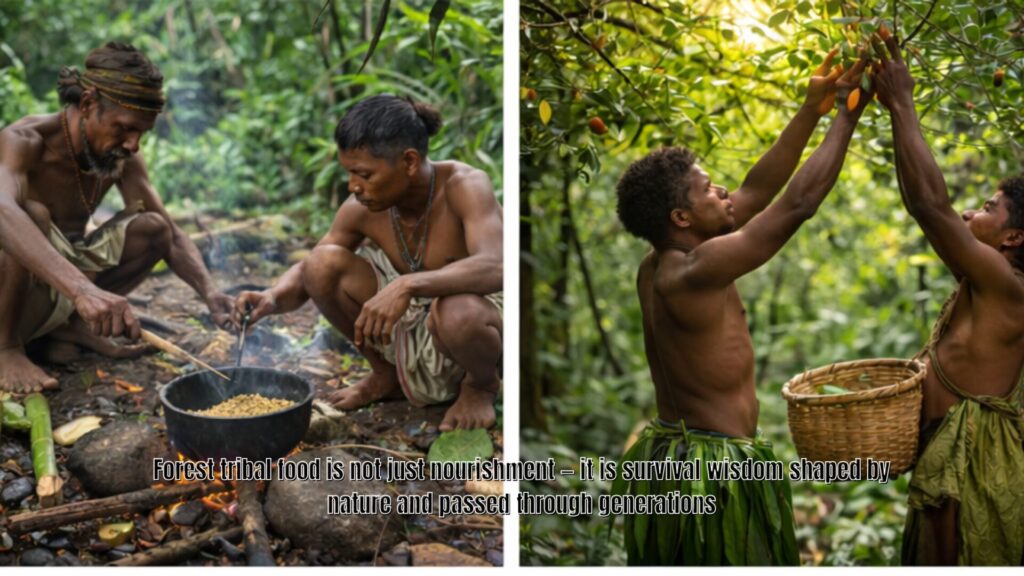
Forests form the foundation of indigenous tribal food systems in India. For tribal communities, forests are not merely a source of raw materials but living ecosystems that provide food, medicine, and long-term nutritional security. A wide range of wild grains, millets, leafy greens, fruits, roots, tubers, flowers, and natural sweeteners such as honey and mahua are traditionally gathered from forest landscapes.
The availability of forest foods is closely tied to seasons, rainfall patterns, and overall ecological balance. This strong dependence on nature encourages sustainable harvesting practices, ensuring that resources are used carefully and never overexploited. Tribal communities possess deep ecological knowledge that guides what can be collected, in what quantities, and at which times of the year.
Forests also influence traditional cooking and food preservation practices. Methods such as sun-drying, fermentation, roasting, and minimal processing help retain natural nutrients while extending shelf life. Through this close and respectful relationship with forests, tribal food systems remain resilient, sustainable, and deeply rooted in indigenous ecological wisdom.
Challenges Facing Tribal Food Systems Today
For generations, tribal food systems sustained communities with simplicity, balance, and deep respect for nature. Food was not just a source of nutrition but a way of life, guided by forests, seasons, and ancestral wisdom. However, in recent decades, this time-tested system has come under increasing pressure, facing challenges that threaten both tribal health and cultural identity.
Loss of Forest Access and Food Security
Despite their deep wisdom and sustainability, tribal food systems today face serious challenges. Rapid deforestation, industrial agriculture, mining, and large-scale development projects have reduced access to forests and traditional food sources. As forests shrink, many tribal communities are losing not only their food security but also their cultural and spiritual connection to the land.
Shift from Traditional Diets to Modern Food Habits
Traditionally, tribal diets involved very little use of oil and spices. Food was mostly boiled, roasted, sun-dried, or fermented, preserving natural flavors and nutrients. Meals were eaten in alignment with natural rhythms, often before sunset, supporting digestion and overall health. With growing modernization, many communities are moving away from these practices. Market-based foods, excessive oil use, refined spices, packaged products, and late-night eating habits are increasingly replacing simple, forest-based diets.
Rising Health Issues in Tribal Communities
This shift in both food quality and eating patterns has led to noticeable health changes. Diseases that were once rare among tribal populations such as diabetes, high blood pressure, digestive disorders, and obesity, are becoming more common. Earlier, tribal diets were rich in natural fiber, seasonal foods, minimal oil, and timely meals. Today, processed and oil-heavy foods, along with irregular eating times, have disturbed this nutritional and digestive balance.
Decline of Indigenous Food Knowledge
Another major challenge is the gradual erosion of indigenous food knowledge. As younger generations migrate for education and employment, traditional wisdom about what to eat, how to prepare food, and when to eat according to seasons and daylight cycles is slowly fading. Without conscious efforts to preserve this knowledge, centuries-old food practices risk being lost forever.
A Threat to Culture, Health, and Sustainability
Together, these challenges threaten the survival of tribal food systems. Preserving them is not only vital for tribal health and cultural identity but also essential for safeguarding sustainable food practices that the modern world urgently needs.
Preserving Tribal Food Systems for Future Generations
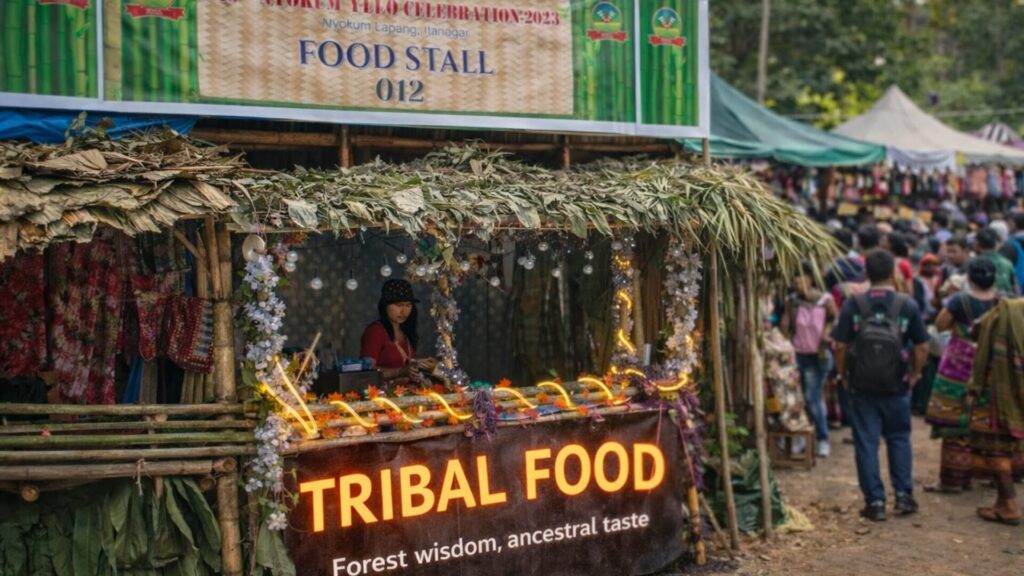
Preserving tribal food systems is not only about protecting traditional recipes but about safeguarding a way of life rooted in balance, sustainability, and deep ecological understanding. These food systems carry centuries of knowledge about what to eat, when to eat, and how to prepare food in harmony with nature. For tribal communities, food is closely tied to health, culture, identity, and the natural environment.
Encouragingly, a new sense of awareness is emerging among tribal youth today. Young Adivasis are becoming more conscious of their cultural roots and are actively working to revive traditional food practices. Tribal gatherings and Adivasi sammelans increasingly feature stalls dedicated to tribal food, where traditional dishes are prepared, shared, and proudly promoted. These spaces have become platforms for cultural expression, learning, and revival.
Tribal food is also gaining renewed importance in social life. From community celebrations to weddings, traditional foods are once again being valued and showcased. This growing appreciation reflects a collective effort to reconnect with ancestral food wisdom and pass it on to future generations.
As modernization and environmental pressures continue to rise, supporting such grassroots movements is crucial. Protecting forest rights, encouraging traditional food practices, and documenting oral food knowledge can help ensure this heritage survives. Preserving tribal food systems is not just about cultural pride it offers powerful lessons in health, sustainability, and coexistence with nature. In reviving and protecting these traditions, tribal communities are shaping a future that honors the past while nourishing generations to come.
FAQ
What is tribal food?
Tribal food refers to the indigenous food system practiced by India’s tribal communities. It is based on forests, seasons, local agriculture, and traditional knowledge rather than written recipes or processed ingredients
Why is tribal food considered healthy?
Tribal food is considered healthy because it is seasonal, minimally processed, and rich in natural fiber, vitamins, and minerals. It traditionally involves very little use of oil, spices, and refined ingredients, supporting digestion and long-term health.
Is tribal food vegetarian or non-vegetarian?
Tribal food includes both vegetarian and non-vegetarian traditions. Diets vary depending on region, ecology, and cultural practices, with many communities consuming forest vegetables, millets, fruits, along with meat or fish based on availability and season.
How are forests connected to tribal food systems?
Forests are central to tribal food systems. They provide wild grains, leafy greens, fruits, roots, tubers, honey, and medicinal plants. Tribal communities follow sustainable harvesting practices to maintain ecological balance.
Why are tribal food systems declining today?
Tribal food systems are declining due to deforestation, loss of forest access, modernization, migration, and the increasing consumption of processed and market-based foods. These changes also affect traditional health and food knowledge.
Conclusion
Tribal food is not a forgotten tradition of the past; it is a living knowledge system that breathes life into forests, seasons, and community life. Shaped by observation rather than instruction, and guided by nature rather than markets, tribal food reflects a way of life where nutrition and balance come before excess and profit.
As modern lifestyles gradually distance people from the rhythms of natural food, tribal food systems remind us that health is not manufactured in factories but is grown, gathered, and shared with care. The recent resurgence of tribal food through tribal gatherings, cultural celebrations, and youth-led initiatives shows that this wisdom has not faded—it is simply waiting to be rediscovered.
Protecting tribal food systems means protecting forests, cultural identities, and a sustainable future. By learning from these indigenous practices, the modern world is not left behind. It moves forward with humility, balance, and respect for nature. In this sense, tribal food is not just a legacy; it is a guide for the future.
Your feedback means a lot to us.
If you have any questions, suggestions, or concerns, feel free to leave a comment below. We’re here to listen, grow, and improve together.
THANK YOU…………………………………..THANK YOU…………………………………..THANK YOU…………………………………..