
Chhattisgarh is known as the tribal heartland of India. It is home to indigenous communities such as the Gond, Baiga, Halba, Muria and Maria, who have preserved their ancient cultural identities for centuries. The Tribes of Chhattisgarh mostly live close to dense forests and natural landscapes, where they continue to follow traditional customs that reflect their deep relationship with nature, spirituality and ancestral wisdom. Their folk dances, unique foods, traditional festivals, sacred rituals and cultural practices highlight a lifestyle that remains very distinct from urban India.
In this article, we will look at the major tribes of Chhattisgarh. We will explore their cultural history, lifestyles, beliefs, festivals, crafts, and the values that shape their everyday lives. This discussion will help you understand how tribal heritage forms an integral part of India’s cultural heritage.
Historical Background of the Tribes of Chhattisgarh
The Tribes of Chhattisgarh have a long and remarkable history that goes back thousands of years. Many researchers believe that the Gond, Baiga and several other tribes are direct descendants of the earliest inhabitants of Central India. In ancient times, this region was known as Dakshin Kosala, and it was surrounded by dense forests, hills and river valleys, which made it an ideal location for early human settlements.
Archaeological findings such as cave paintings, stone tools and ancient rock shelters clearly suggest that tribal communities lived here during prehistoric times. These tribal groups depended mainly on hunting, gathering and shifting agriculture to sustain their livelihood. Over centuries, the Tribes of Chhattisgarh developed their own religions, folk beliefs, ancestor worship and unique cultural practices that shaped their distinct identity. One interesting feature of their heritage is the tradition of carving symbols and sacred motifs on stone surfaces.
During the medieval period, several tribal clans, including the Gond rulers established small kingdoms in Central India. These Gond kings controlled vast forest regions and influenced local society through their own systems of governance and military strength. Even after the arrival of the Mughals and later the British, many tribal groups continued to live independently in remote forested zones and were generally not forced into slavery.
However, under British rule, new forest laws, revenue systems and mining activities had a deep impact on tribal livelihoods. Many Tribes of Chhattisgarh opposed colonial policies through local uprisings and strong resistance movements. Despite such historical challenges, they successfully preserved their ancient knowledge, cultural beliefs and ecological wisdom.
Even today, the Tribes of Chhattisgarh follow many ancient traditions. Their festivals, folk dances, herbal medicines and nature-worship practices clearly reflect the continuity of India’s ancient culture and the deep-rooted relationship between tribal communities and nature.
Population & Distribution of Tribes of Chhattisgarh
According to the 2011 census data, the total Scheduled Tribe population in Chhattisgarh was 7,822,902, which is roughly 30.62% of the state’s population at that time. These tribes live in different geographical areas. Some are located in forested and hilly regions such as Bastar and Surguja, while others reside in the plains or near river valleys.
Each tribe has its own particular settlement zone. The Gond and Baiga tribes mainly inhabit dense forest areas, whereas the Halba, Muria and Maria communities are found in specific districts. Knowing where these tribes live helps us understand their diverse lifestyles, natural environments and social conditions.
The distribution of tribal populations is closely linked to natural resources, forest belts and traditional migration routes. Many tribes depend on forest products, traditional farming methods and river-based livelihoods, which is why most of their settlements are situated near forests and water sources. Although towns and industries have expanded over the years, many tribal groups continue to maintain their ancestral settlements and cultural landscapes, which remain an essential part of their heritage.
Top 10 Major Tribes of Chhattisgarh
Chhattisgarh has many important tribal communities that have preserved their unique identities and cultural traditions for centuries. The state has more than 40 recognized tribal groups, making it one of the most diverse tribal regions in India. The major tribes of Chhattisgarh include the Gond, Baiga, Halba, Muria, and Maria communities. Each tribe has its own customs, traditional knowledge, and beliefs connected to nature. Their cultural practices show a deep respect for forests, ancestral traditions, and spiritual beliefs.
In this blog, we will look at some of the major tribes of Chhattisgarh and explore their heritage, cultural lifestyles, and historical backgrounds.
Below are the top 10 major tribes of Chhattisgarh, known for their population, culture, traditions, and historical importance.
1.Gond Tribe
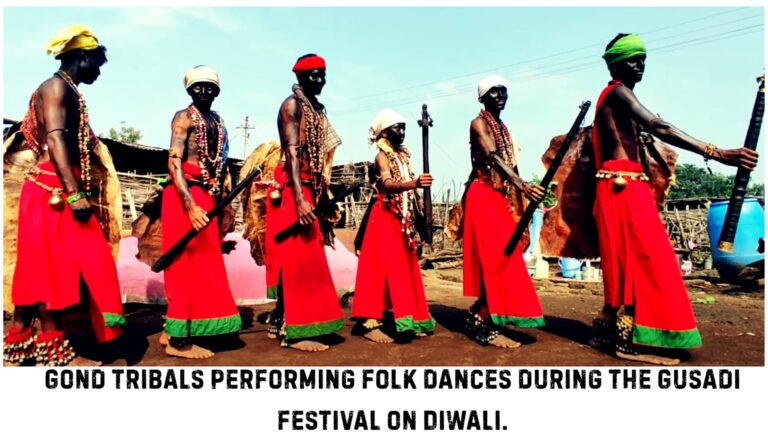
The Gond tribe is the largest tribal group in Chhattisgarh and one of the oldest communities in Central India. They mainly live in forest areas and maintain a close relationship with nature. Traditionally, the Gond people hunted animals, collected medicinal plants and practiced farming. Their unique art and the famous Gond paintings reflect a deep connection to forests, myths and community narratives. The Gond people worship nature spirits, village deities and their ancestors. In earlier times, Gond rulers established small kingdoms during the medieval period, which highlights their important role in the history of Central India.
2.Baiga Tribe
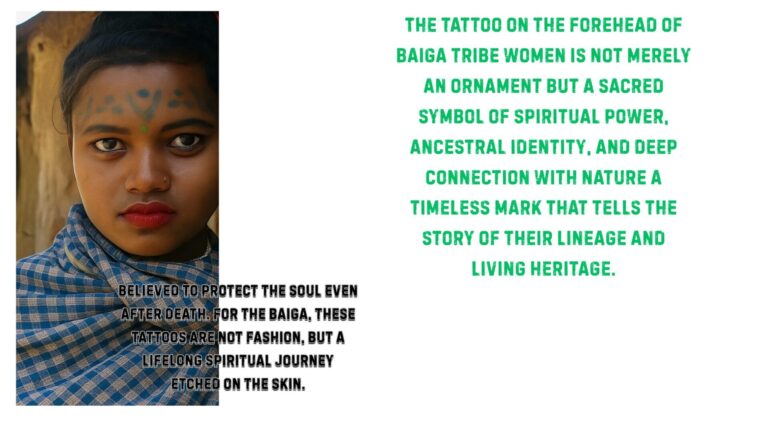
The Baiga tribe is classified as a Particularly Vulnerable Tribal Group (PVTG), which means they have preserved very ancient ways of living. The Baiga people depend on traditional forest-based occupations and regard the forest as their sacred home. They possess extensive knowledge of medicinal herbs and plants, which they use for healing purposes. Baiga women are renowned for their distinctive tattoo patterns, which are an integral part of their cultural identity. Their beliefs centre on nature worship, spirits, ancestral rituals, and a strong connection with the forest environment.
3.Halba Tribe
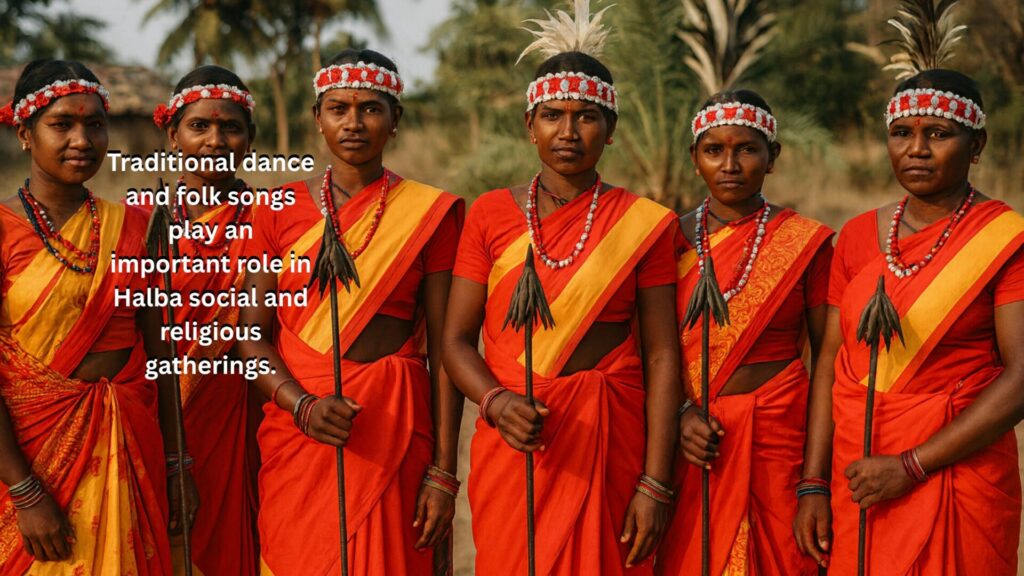
The Halba tribe lives mainly in agricultural areas and forest villages. They grow different crops and weave traditional textiles. The Halba people enjoy folk music, religious ceremonies and local festivals that connect them to both tribal and regional culture. They often live in joint families, organise community gatherings and follow rituals related to nature. The Halba tribe traditionally makes handmade products and bamboo crafts that remain important in many tribal markets in Chhattisgarh, helping to keep their culture alive.
4.Muria Tribe
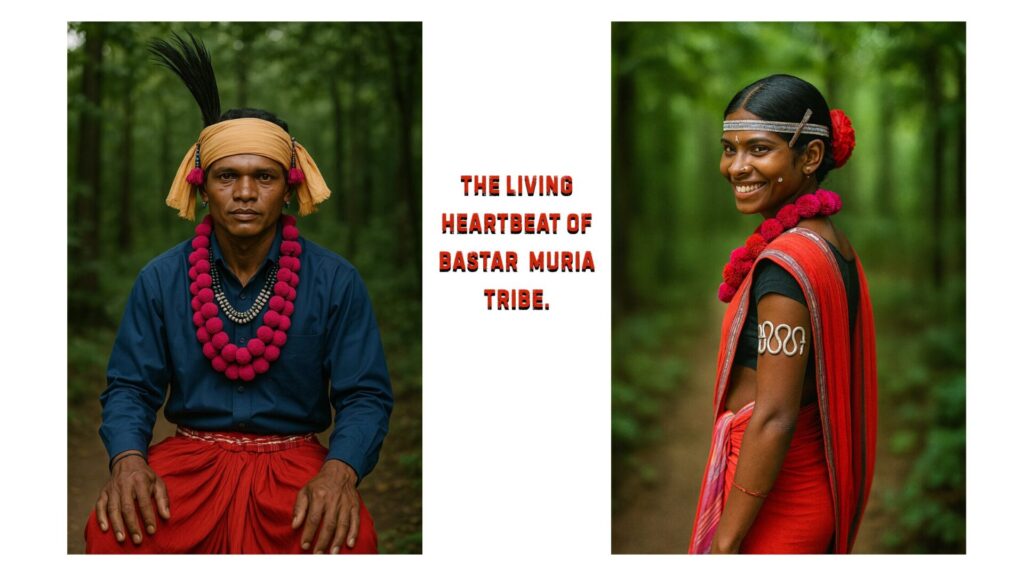
The Muria tribe is considered part of the Gond community and lives mostly in the Bastar region. They follow ancient traditions and reside in villages located near forest areas. One important aspect of their culture is the Ghotul tradition, a community space where boys and girls stay together and learn about cultural values, folk songs, folk dances and social responsibilities. Their festivals, folk art and dance forms reflect strong community bonds and spiritual beliefs. The Muria social structure is simple, yet deeply rooted in their traditional tribal customs.
5.Maria Tribe
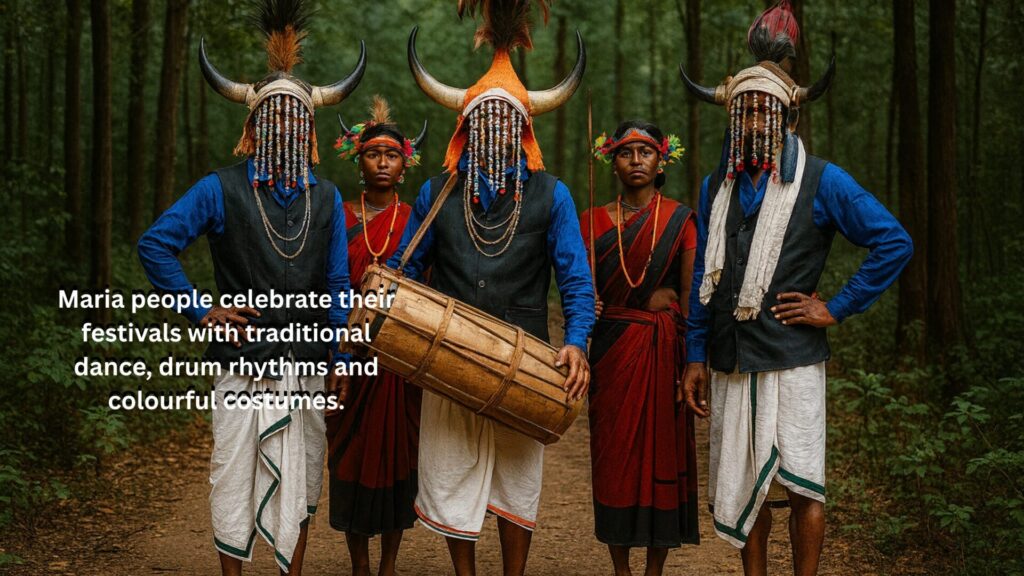
The Maria tribe includes groups such as the Abujh Maria and the Bison-Horn Maria. They live in the forests and mountainous areas of southern Chhattisgarh. Maria culture is well known for traditional folk dances, especially the Bison Horn Dance, in which performers wear horn-shaped headgear and dance to the beat of drums. The Maria people honour nature spirits and consider the forest sacred. Their way of life reflects ancient traditions that have continued for centuries in the remote regions of Bastar.
6.Dhurwa Tribe
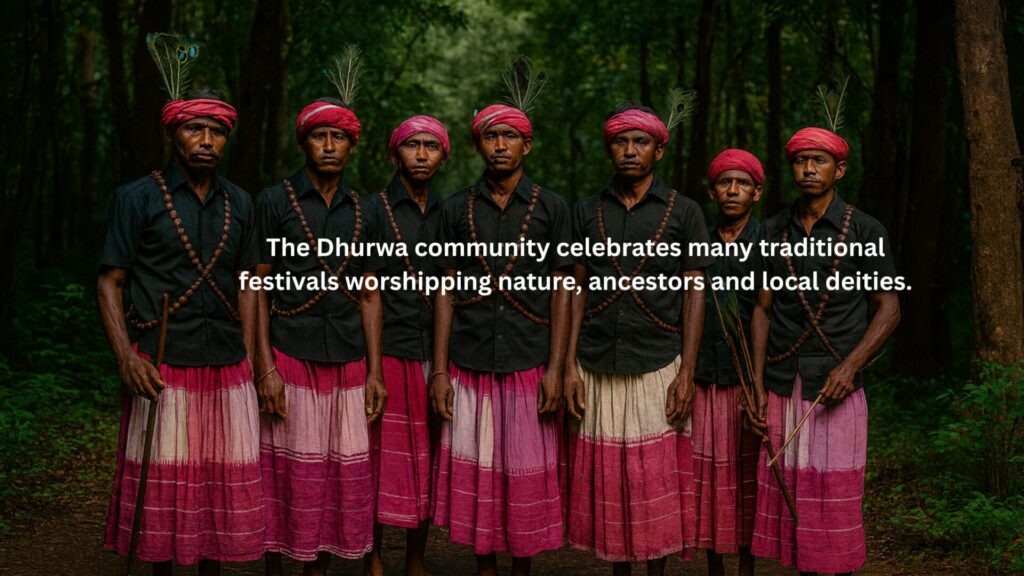
The Dhurva tribe, also called Duruva or Dhurua, lives in the forests of Bastar and nearby regions. They practise traditional farming, collect forest resources and work in seasonal occupations. The Dhurva people speak a dialect belonging to the Dravidian language family. They celebrate their culture through ancestor worship, local festivals and traditional rituals. Forest products, leaves and bamboo are commonly used to build their homes and for everyday activities. The tribe also has a rich oral tradition of folk songs and community ceremonies that honour nature.
7.Korba Tribe
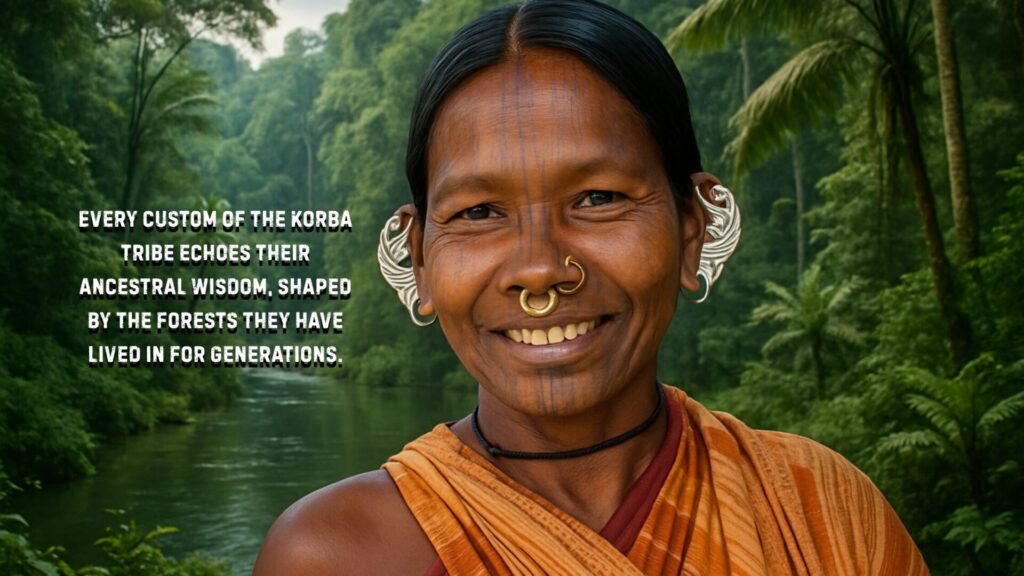
The Korba tribe lives in forested areas, including hills, slopes, and river valleys. They mainly rely on farming, gathering forest products, collecting bamboo, and sometimes hunting for their livelihood. Korba groups speak local tribal dialects and preserve their cultural identity through folk beliefs, songs, and traditional practices. Although modern development has brought changes to their lifestyle, many Korba families still follow customs centred on nature worship and ancestral traditions. Their social structure promotes community unity and shared responsibilities.
8.Kanwar Tribe
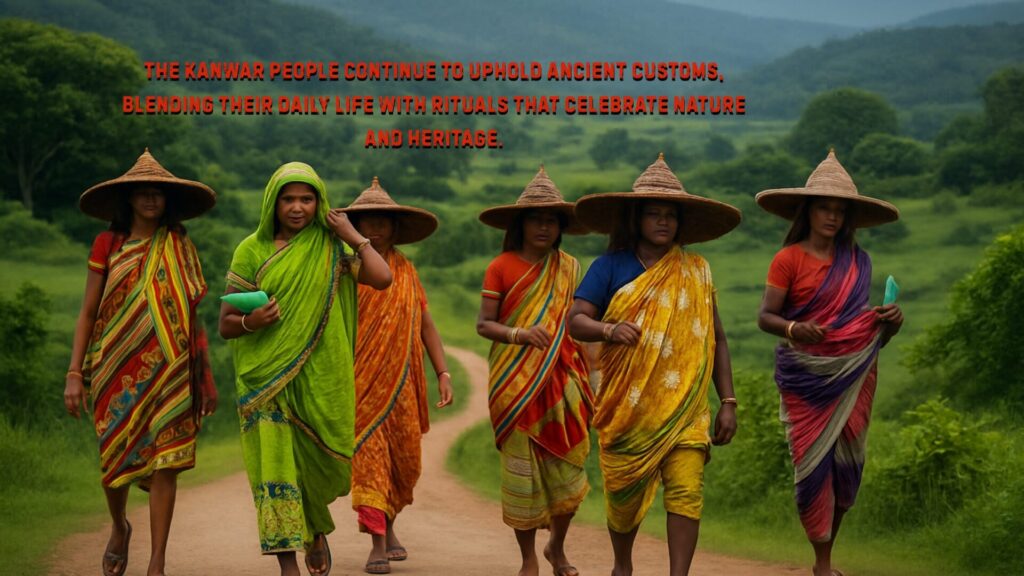
The Kanwar tribe lives mainly in forest villages and along riverbanks. They farm, fish and gather resources from the forest. Their society consists of extended families and village councils, where decisions are made collectively. The Kanwar people believe in supernatural powers, local deities and sacred trees. They celebrate their culture through folk dances, community festivals and storytelling that reflect agricultural seasons and rituals. Their identity is closely connected to the natural landscape around them.
9.Binjwar Tribe
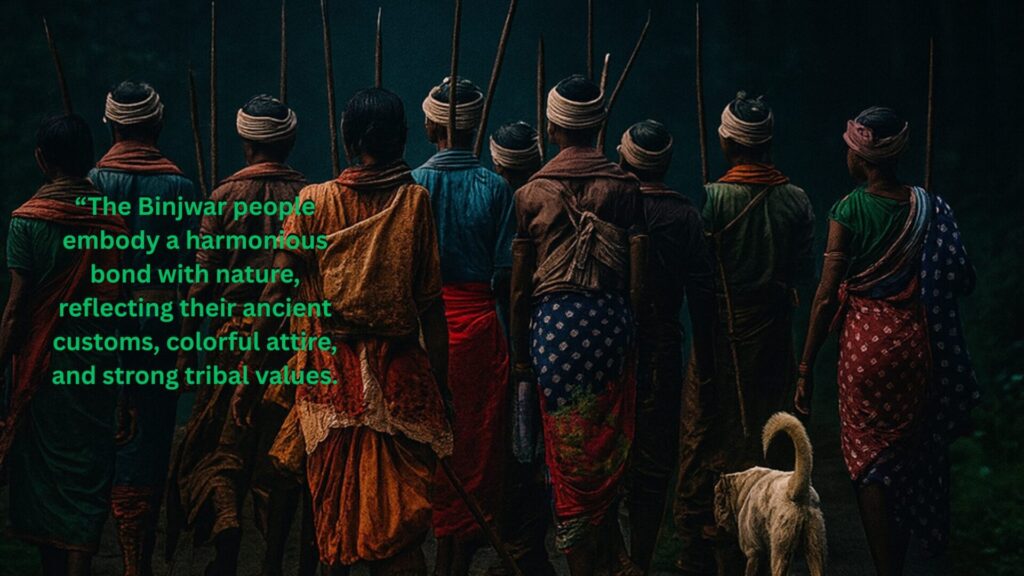
The Binjwar tribe, also known as Binjhwar or Binjhia, is a recognized tribal community in Chhattisgarh. They mainly rely on small-scale farming and forest resources for their livelihood. Binjwar families practise traditional customs, ancient marriage rituals, and nature-based beliefs. They share legends and folk tales about their ancestors and forest deities through oral traditions. Although their population is smaller than that of other tribal groups, the Binjwar heritage remains important to the cultural diversity of Chhattisgarh.
10.Bhatra Tribe
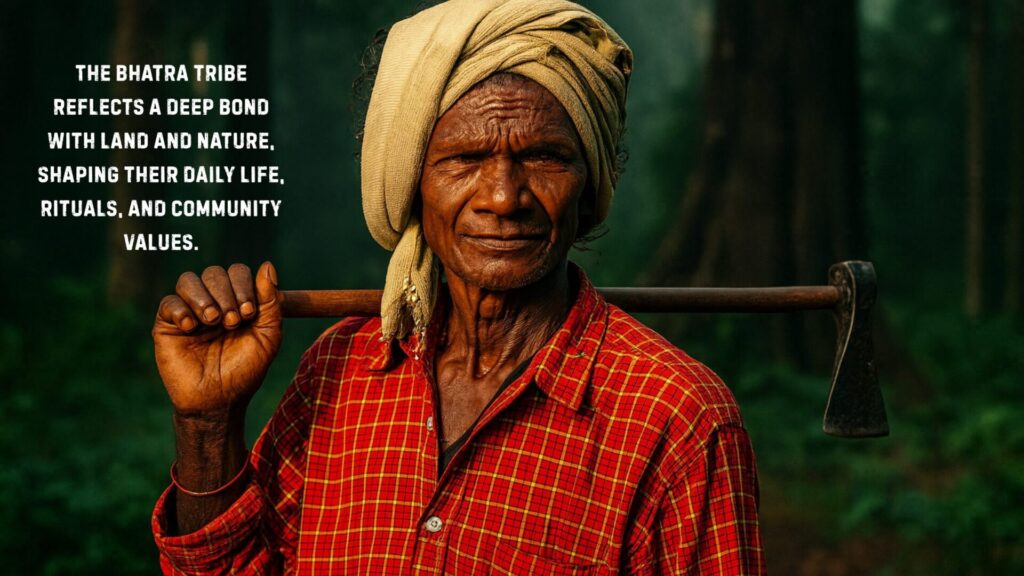
The Bhatra tribe lives in various parts of Chhattisgarh, mainly in forested areas. They rely on farming, gathering forest products and doing labour work for their livelihood. The Bhatra people celebrate festivals with folk songs, group dances and nature worship. They believe that their ancestors protect their families and villages, so they perform rituals for prosperity and well-being. Their culture includes traditional clothing, ornaments and folk instruments that are used during celebrations and rituals.
The major tribes of Chhattisgarh form the foundation of the state’s culture and create a strong tribal identity. Their festivals, art forms, environmental knowledge and nature-based beliefs reflect traditions that have continued for centuries. Even with modern changes, many tribal communities continue to practise their customs and preserve cultural values through oral traditions.
The Tribes of Chhattisgarh protect their heritage and play an important role in the region’s history, biodiversity, and cultural diversity in India. Learning about these communities helps us understand their role in making Chhattisgarh a true tribal centre of India.
Traditional Culture and Lifestyle of the Tribes of Chhattisgarh
Nature-Based Living
Many tribal communities in Chhattisgarh live close to nature and depend on forests and seasonal resources. Tribes, both in India and around the world, often prefer to stay near natural landscapes. They regard forests as sacred places where ancestral spirits and traditional deities are believed to reside. Many tribal people collect forest products, wild fruits, honey, medicinal plants and bamboo, which are essential for their daily lives. Their traditions show deep respect for rivers, hills, trees and animals, and they express gratitude for these natural elements through various cultural practices.
Traditional Houses and Settlements
Tribal houses in Chhattisgarh are made from natural materials such as clay, bamboo, wood and soil. They are built according to local environmental conditions and the resources available in the area. The community values living in harmony with nature. Villages are often arranged in circular or linear patterns, with shared areas, grain storage spaces and open fields used for folk dances and community gatherings. This simple lifestyle promotes sustainability and a strong connection with nature. Visiting these regions can be a refreshing cultural and natural experience.
Agriculture and Daily Occupation
Agriculture is one of the main occupations for the Tribes of Chhattisgarh. Many tribal people practise traditional farming methods, such as shifting cultivation and forest farming, and depend on seasonal rainfall. They also gather important forest products such as tendu leaves, mahua flowers, lac and honey.
In earlier times, hunting, gathering and bamboo work were common sources of livelihood. Although modern employment opportunities are increasing today, many traditional tribal arts are still practised by the Tribes of Chhattisgarh. The government also supports these cultural skills through various financial and livelihood programmes, helping tribal communities preserve their heritage while participating in modern development.
Community and Social Structure
The tribal society in Chhattisgarh is built on strong community bonds and collective cooperation. Elders, village councils and local leaders guide the community, help resolve disputes, and organise festivals. The PESA Act also provides these communities with specific rights and decision-making powers. Families often live together and share responsibilities, which helps maintain unity within the community.
Oral traditions, folk tales and ancestral teachings are passed down through storytelling and rituals. These ancestral lessons are especially preserved through folk songs, which continue to play an important role in the cultural life of the Tribes of Chhattisgarh.
Traditional Food and Local Ingredients
The traditional diet of the tribal communities in Chhattisgarh mainly comes from forest produce, cereals and seasonal plants. Common staple foods include rice, millet and maize. People also use mahua flowers, forest leaves, mushrooms, young bamboo shoots, wild vegetables and fruits in their daily cooking. Herbal ingredients and medicinal plants play an important role in their food traditions. These dishes reflect a strong connection to forests, farming and natural resources.
Culture, Festivals, Arts, Languages and Beliefs of the Tribes of Chhattisgarh
Tribal Festivals of Chhattisgarh
Tribal festivals in Chhattisgarh celebrate agricultural seasons and forest cycles, and are deeply rooted in traditional beliefs. Important festivals include Bastar Dussehra, Madai, Chherchhera, Goncha, and Navakhai. These events feature traditional music, folk dances, and the worship of local deities. Community gatherings during these festivals strengthen social bonds and promote unity among the tribes of Chhattisgarh.
Tribal Art and Craft of Chhattisgarh
The tribal people of Chhattisgarh are well known for their traditional arts, which include Gond art, bell metal crafts, bamboo work, stone carving and Dhokra metal casting. These artistic skills are passed down through generations. Many tribal artisans create handicrafts using natural materials. Their artwork depicts mythological stories, animals, nature symbols, and ancestral beliefs, helping to preserve their creativity and cultural identity.
Dialects spoken by the tribes of Chhattisgarh
Chhattisgarh is home to several tribal dialects, including Gondi, Halbi, Baigani, Chhattisgarhi dialects, Bhatri and Dorli. Most of these dialects are passed down orally and include folk idioms, storytelling traditions and cultural expressions. These languages connect communities and help preserve their cultural history.
Religious Beliefs of the Tribes of Chhattisgarh
The tribal communities of Chhattisgarh follow nature-based religious beliefs. They worship forest spirits, ancestral spirits, village deities, animals, hills and various natural elements. Their rituals involve animal symbolism, seasonal offerings, sacred groves and communal prayers. The focus of tribal religion is on maintaining harmony between people, their ancestors and the natural world.
Challenges Faced by the Tribes of Chhattisgarh
The tribal communities in Chhattisgarh face several challenges today. One major problem is displacement caused by mining, industrial projects and urban development. When tribal families are forced to leave their forest lands, they lose access to the natural resources on which their traditional way of life depends.
Many tribal villages lack proper education, healthcare, clean water and communication services. This limits opportunities for progress and affects the social development of these communities. Displacement in the name of development often leads to poverty and unemployment, especially in remote areas where jobs are difficult to find.
Another challenge is the gradual loss of traditional languages, cultures and ancestral knowledge. As modern lifestyles spread, younger generations adopt new habits and frequently move to cities for work, increasing the risk of losing important tribal traditions and identities. Deforestation, climate change and commercial activities also threaten the natural environment that tribal communities have protected for generations.
Despite these challenges, tribal communities continue to preserve their culture, customs and nature-based traditions. Local organisations and cultural programmes play an important role in helping these traditions survive for future generations.
FAQ
How many tribes are there in Chhattisgarh?
Chhattisgarh has more than 40 officially recognised tribal groups, making it one of the most tribal dominated states in India.
Which is the largest tribe in Chhattisgarh?
The Gond tribe is the largest and most widespread tribal community among the Tribes of Chhattisgarh.
Which tribes are mostly found in the Bastar region?
Bastar is home to several major tribes, including the Muria, Maria, Dhurwa and Bhatra communities, which are an important part of the Tribes of Chhattisgarh.
Why is Chhattisgarh called the “tribal heartland of India”?
Chhattisgarh is called the tribal heartland because a large part of its population belongs to Scheduled Tribes, and these groups have preserved ancient cultures, festivals, languages, and forest-based lifestyles.
What are the famous festivals of the Tribes of Chhattisgarh?
Popular tribal festivals include Bastar Dussehra, Madai, Goncha, Chherchhera and Navakhai.
What major challenges do tribal communities face today?
Tribal communities, especially the Tribes of Chhattisgarh, face issues like displacement, lack of facilities, poverty, loss of language and environmental threats caused by modern development.
Conclusion
The Tribes of Chhattisgarh represent one of the oldest and most diverse indigenous cultures in India. Their traditions, dialects, crafts, and spiritual beliefs showcase a profound connection to forests, nature, and ancestral knowledge. Even today, these tribal communities maintain cultural practices that have endured for thousands of years. Despite the challenges posed by modern development, various initiatives are underway to preserve their identities and traditional wisdom.
Understanding the Tribes of Chhattisgarh provides valuable insight into India’s rich cultural heritage and highlights why this region is often referred to as the true tribal heart of the country.
Your feedback means a lot to us.
If you have any questions, suggestions, or concerns, feel free to leave a comment below. We’re here to listen, grow, and improve together.
THANK YOU…………………………………..THANK YOU…………………………………..THANK YOU…………………………………..