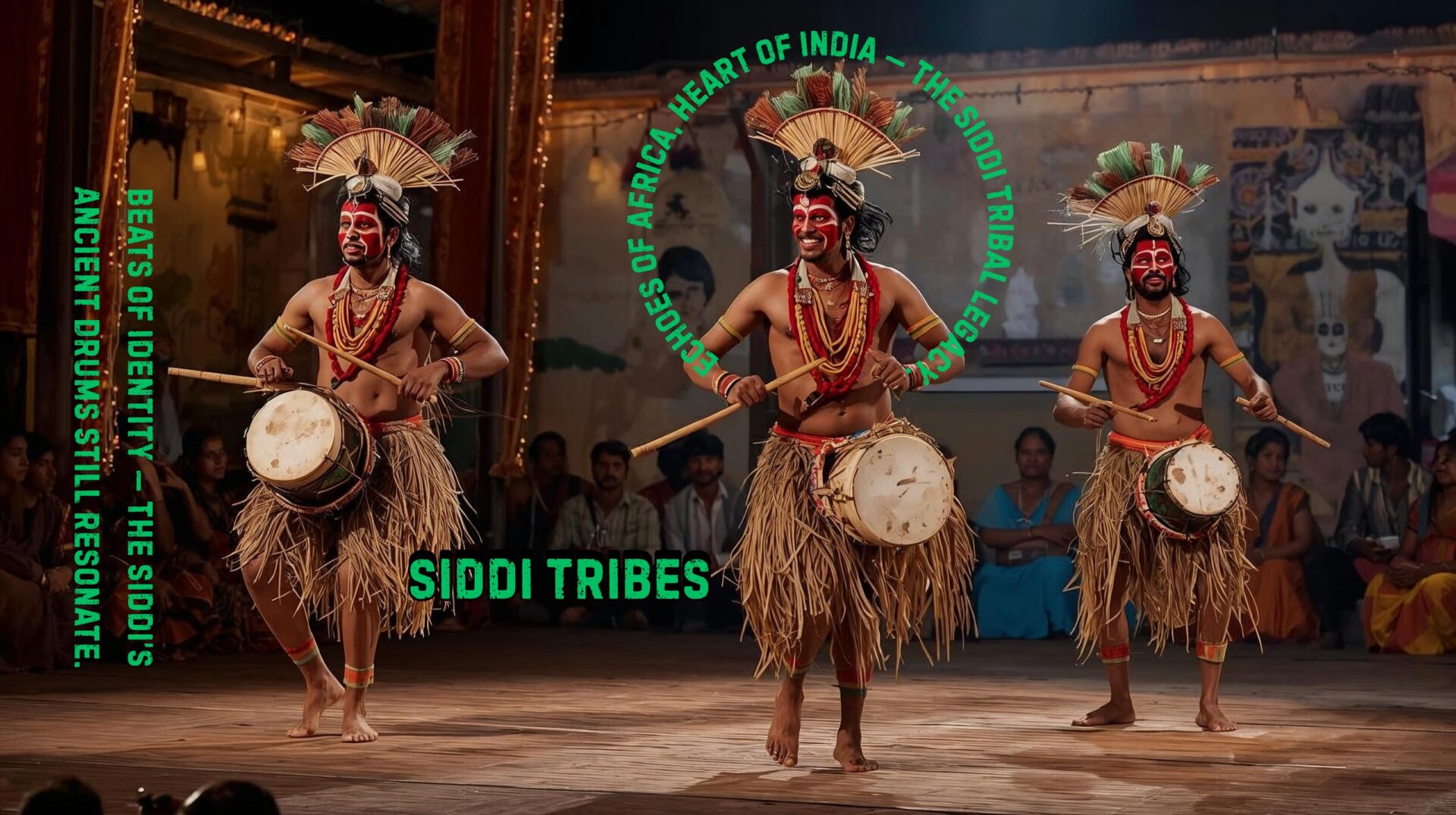
In Gujarat, a remarkable tribe with deep African heritage resides. The Siddi tribes of India are descendants of East African Bantu peoples who arrived on the western coast of India approximately 700 years ago, brought by Arab traders and Portuguese explorers. Over the centuries, they have integrated into Indian society while maintaining vital connections to their African roots through music, dance, and spiritual practices. Presently, the Siddi community thrives primarily in Bharuch, Junagadh, and Jamnagar.
Their vibrant cultural expressions, such as the dhamaal folk dance, continue to resonate with the rhythms of African drums. Additionally, they actively participate in festivals alongside other tribes in Gujarat. The distinct features of the Siddis, including their dark skin, curly hair, and bright smiles, reflect a rich narrative of resilience and identity. They exemplify India’s multicultural fabric, illustrating the harmonious merging of African and Indian cultures in both history and spirit.
Origin of the Siddi Tribes
The Siddi tribes have a history of migration, conflict, and cultural change that began around 800 years ago. They are descended from the Bantu peoples of East Africa, mainly from Kenya, Ethiopia, and Tanzania. The Siddi Tribes did not come to India in a single event. Instead, their arrival happened gradually over centuries through trade, warfare, and exploration.
Arrival from Africa to India
The first Siddhis came to India between the 7th and 13th centuries. Arab traders brought them across the Indian Ocean. These Africans worked as sailors, guards, and helpers on merchant ships that traveled between East Africa and coastal ports in Gujarat, like Bharuch, Surat, and Diu. Many Siddhis eventually settled in India, married local people, and created some of the first Siddhi communities on the west coast. These communities still exist today.
Africans migrated to India through the slave trade. The Siddi Tribes became known for their loyalty and skill as warriors under Muslim rulers. Many achieved high positions, like Malik Ambar, a significant chieftain. Some Siddi Tribes escaped to the forests. Today, they mainly live in Maharashtra, Gujarat, and Karnataka.
Lifestyle and Traditions of the Siddi Tribes

The Siddi tribes mix African and Indian cultures. They live in places like Gujarat, Karnataka, and Maharashtra. Most of them farm, fish, or do daily jobs. Their houses are made of mud and dung and are in nature. Music and dance are very important to them. They use drums and sing folk songs to show their feelings and togetherness. Their food, clothes, and customs have parts from both Indian and African cultures. Even though things are changing around them, the Siddi people still keep their traditions alive through special events and celebrations.
Siddi Music, Dance, and African Rhythms
Music is a key part of Siddi Tribes culture. They perform traditional drumming called Dhamal at festivals and gatherings. The lively beats and dances show strong African influences and represent joy, spirituality, and community bonding.
Traditional Clothing and Food Habits
Siddi men usually wear simple shirts, while women wear colorful saris or traditional clothing. Their food combines Indian spices with African cooking, often using local vegetables, rice, and fish. The way they dress shows Indian influences because they have grown up in an Indian culture since childhood.
Marriage Customs and Family Life
Siddi tribes’ weddings are lively community events with music, dance, and rituals. Families play an important role, and elders bless the couple with traditional folk songs and symbolic gifts that combine African and Indian traditions.
Economic Life and Challenges Faced by the Siddi Tribes
The Siddhi tribes relies on nature and the forests in Gujarat, Karnataka, and Maharashtra for their economy. Most Siddhis earn a living through farming, collecting forest products, and daily labor. Despite their efforts and contributions, they face poverty, limited education, and few job opportunities. As a Scheduled Tribe, they receive little government support and deal with ongoing economic and social challenges. Their story reflects their struggles and resilience as they seek a stable and respectful livelihood.
Traditional Occupations and Livelihood
The Siddhi tribes has depended on nature for their economic activities for centuries. They mainly live in forest areas of Gujarat, Karnataka, and Maharashtra. The Siddhis primarily rely on farming, raising animals, and activities related to the forest. They grow crops like rice, millet, and maize on small pieces of land. In places like the Gir region of Gujarat, many Siddhis work as daily laborers, collect honey, and gather firewood. Their strong knowledge of forest ecology helps them live peacefully with wildlife, especially near the Gir National Park.
Role in Forest Conservation and Tourism
Many Siddi Tribes families in Gujarat are involved in forest conservation and eco-tourism. Some of them work as forest guards or nature guides, playing a key role in wildlife conservation programs, especially those related to the Asiatic lions of the Gir. Their strong understanding of the forest, animal behaviour, and local ecology makes them important players in sustainable tourism. Unfortunately, even though they contribute significantly, the financial rewards are often low, and there are few opportunities for career growth.
Limited Access to Education and Employment
Education is a major challenge for the Siddi tribal community. Many villages do not have proper schools or qualified teachers, leading to low literacy rates, especially among women. Due to limited education, many Siddis are forced to rely on unskilled labor jobs, which offer low pay and job insecurity.
Young Siddis who finish higher education often move to nearby cities for better jobs. However, they face discrimination and a lack of awareness about their heritage, which can limit their opportunities and create additional challenges.
The Path Toward Empowerment
The Siddis are progressively achieving empowerment through initiatives such as self-help groups, women’s cooperatives, and cultural revival projects. By promoting Siddi crafts, folk dance, and eco-tourism, they can generate sustainable income while preserving their rich heritage.
Education stands as a fundamental tool for social advancement, as more families are encouraging their children to pursue academic opportunities and seek skilled employment. Despite the challenges of poverty and social exclusion, the resilience and optimism of the Siddi tribe exemplify their strong determination to overcome obstacles and create a promising future.
Traditional Food and Culinary Practices of the Siddi Tribe

The Siddi tribes traditional food mixes African and Indian flavors. They primarily live in Gujarat, Karnataka, and Maharashtra. The Siddis create a simple and tasty cuisine that reflects their environment. Their meals often include rice, millet, lentils, fish, and vegetables gathered from the forest, all cooked with local spices and coconut. They use traditional earthenware pots and open fires, which give the food a natural aroma and earthy flavor. For the Siddhis, food is more than just something to eat; it expresses their culture, preserves their heritage, and strengthens community bonds.
Honey Collection and Forest Produce
The Siddi tribes have traditionally depended on forests for their livelihood. One of their most significant activities is honey collection, which carries both economic and cultural importance. The Siddi people possess the skills to locate bee colonies in the forests and use indigenous methods to extract honey without harming the hives. This natural honey is primarily consumed locally. The Siddi community is also known for its ability to survive on honey for days when food is scarce.
In addition to honey, the forest offers non-timber forest products (NTFPs), such as fruits, nuts, medicinal plants, wild roots, and bamboo. These resources help to enhance their diet. The Siddi tribes sustainable approach to utilizing forest resources demonstrates a profound respect for nature, a value that has been passed down through generations and is shared by other communities across India.
Tambi Machhi A Traditional Fish Delicacy
Tambi Machi is an important dish in the Siddi tribe’s cooking. It is made from fresh river or coastal fish and is often served at community festivals or special gatherings. The fish is marinated in local spices, turmeric, and tamarind, then cooked slowly over a wood fire or clay hearth to bring out its natural flavor. Tambi Machi is more than just food; it reflects the Siddi Tribes’ strong connection to their environment and is a key part of their identity.
For those living along the coasts of Gujarat, Karnataka, and Goa, fishing is both a job and a tradition. This dish shows their love for spices and the influence of coastal Indian cooking. Tambi Machi is usually served with rice or millet rotis and represents the balance between land and sea in the Siddi way of life.
Mandia Roti The Staple Food of the Siddi Tribes
One of the most common foods of the Siddi tribe is Mandiya Roti, made from ragi, or finger millet. Mandiya grows well in dry, mountainous areas and is the main food in their daily meals. This flatbread is high in calcium, iron, and fiber, giving them energy for farming and forest work.
To make ragi flour, they mix it with hot water and a little salt, then shape it by hand and cook it on a clay or iron pan. They often eat Mandiya Roti with spicy chutneys, vegetable stews, or fish curry. This dish shows the Siddi tribe’s strong connection to nature and their ability to use local, organic ingredients that provide the nutrients they need.
Tambdi Chicken (Siddi-style Spicy Chicken Curry)
Tambdi Chicken means “red chicken” and is a popular dish among the Siddi tribe. It gets its deep red color from a mix of red chilies, tamarind, and coconut. The Siddi people marinate the chicken with ground spices, garlic, and turmeric, and then cook it slowly over a wood fire to create a smoky flavor.
People usually prepare Tambdi Chicken for festivals, weddings, and celebrations, as it symbolizes joy and togetherness. The dish combines African spices with coastal Indian flavors, reflecting the tribe’s cultural roots. It is often served with mandiya roti or rice, making Tambdi Chicken more than just a meal; it is a celebration of Siddi heritage and hospitality.
How the Siddi Tribe Was Recognized as a Scheduled Tribe in India
The Siddi community, with its African ancestry, has play a significant role in India’s cultural and social landscape. Their designation as a Scheduled Tribe (ST) resulted from extensive advocacy, research, and a thorough assessment of their socio-economic conditions by the government. Recognizing the historical isolation, educational deficits, and economic challenges faced by the Siddi people, the Indian government determined that they required constitutional protection and developmental support.
Various states in India have acknowledged the Siddi community as a Scheduled Tribe.
Karnataka was one of the first states to grant this recognition in 1976, followed by Goa, Gujarat, and Maharashtra. This classification has enabled the community to benefit from reservations in education, government employment, and welfare schemes under India’s affirmative action policy.
The inclusion of the Siddi tribe as a Scheduled Tribe was not merely a political decision; it represented a critical step toward preserving their cultural heritage and enhancing their social and economic well-being. This decision has been instrumental in ensuring the continued recognition of the Siddi community as a distinct tribe within India.
Dhamal Dance: The Rhythmic Soul of the Siddi Tribes

The Dhamal dance stands as a vibrant and cherished tradition of the Siddi tribe, embodying their African ancestry and deep spiritual connection to nature. More than just entertainment, this folk dance is a remarkable expression of faith, joy, and identity that has united the Siddi people for generations. Performed during festivals, harvest celebrations, and religious occasions, Dhamal is a powerful celebration of rhythm, movement, and music, creating a sense of calm and tranquility for all who witness it.
The soothing drumming offers an experience that resonates deeply. Originating from the rich heritage of the Siddi’s African ancestors, Dhamal dance has evolved beautifully within an Indian context, merging African melodies with local folk tunes. Each performance begins with the exhilarating beats of traditional instruments like the dhol, nagda, and hand drums, setting a compelling tempo that fills the village with energy.
Dancers, adorned in colorful costumes with beads, shells, and vibrant fabrics, move in circles, their bodies expressing intense emotion and connection. Every Dhamal performance is infused with spiritual meaning. It serves as a heartfelt tribute to nature, a celebration of bountiful harvests, and a call for blessings from ancestors. In some regions, the dance intertwines with Sufi traditions, where the Siddhis convey their devotion to God through rhythmic, trance-like movements.
The audience becomes a vital part of the experience, clapping and singing traditional songs that share powerful stories of struggle, freedom, and unity. In recent times, Dhamal dance has gained recognition beyond its tribal roots, appearing at cultural festivals and tourism programs in Gujarat, Karnataka, and Goa as a shining example of India’s multicultural identity, especially during World Indigenous Peoples’ Day on August 9.
Even amidst modernization, the Siddi tribes remains steadfast in preserving Dhamal as a sacred link to their African heritage and a proud symbol of their cultural resilience.
The Siddi Tribe A Living Bridge Between Africa and India
The story of the Siddi tribe powerfully illustrates the profound interplay between history, migration, and identity. As descendants of Africans who arrived on Indian shores centuries ago, the Siddis have firmly established themselves as a vital component of India’s social and cultural landscape.
Their heritage embodies a dynamic connection between Africa and India, shaped by generations of resilience, adaptation, and cultural synthesis. While their ancestors came as traders, soldiers, or laborers during the medieval period, today’s Siddi Tribes proudly assert their identity as Indian citizens, embracing both African and Indian cultural influences.
Their music, folk dances, dialects, and culinary traditions reflect a rich blend of African rhythms and Indian elements, culminating in a unique and harmonious cultural identity. Through vibrant expressions like the Dhamal dance and the distinctive flavors of Tambi Machhi, as well as their deep reverence for nature, the Siddi people proudly manifest their dual heritage with confidence.
In contemporary society, the Siddi community faces challenges including limited educational opportunities, unemployment, and social marginalization. However, they are increasingly gaining recognition through government initiatives, non-governmental organizations, and cultural associations that are committed to preserving their heritage.
Celebratory festivals showcasing Siddi arts, performances, and traditions are elevating their culture on a national platform, offering them an increasingly influential voice. The Siddi tribe stands resolutely as a living bridge between two worlds, merging the heart of Africa with the spirit of India.
Religion and Cultural Beliefs of the Siddi Tribes
The Siddi tribes of India embody a unique fusion of African and Indian religious traditions. Having resided in India for centuries, this community has gradually embraced local beliefs and customs. The majority of the Siddi population identifies as Muslim, while smaller groups follow Hinduism or Christianity, depending on their geographic location. Despite adopting these religions, the Siddi have maintained many of their ancient African rituals and spiritual practices.
In their communities, one can observe ceremonial folk dances, rhythmic drumming, and spirit-involving rituals that are rooted in their African heritage. These practices often reflect their profound connection to nature, their ancestors, and their spiritual beliefs. In regions such as Karnataka, Gujarat, and Maharashtra, Siddi Muslims uniquely blend their Islamic faith with African folk traditions. They celebrate Islamic festivals like Eid alongside tribal ceremonies, including the Dhamaal and Goma dances, which are performed to seek blessings and protect against negative spirits.
This synthesis of African heritage and Indian religious influence renders the spirituality of the Siddi tribe distinct. It exemplifies their ability to adapt while preserving their original identity. For generations, the Siddi have demonstrated that faith encompasses not only religious beliefs but also cultural memory and pride in their ancestry, which continues to define their vibrant community today.
FAQ
Who are the Siddi tribes of India?
The Siddi tribes are descendants of Africans who came to India long ago. They live mainly in Gujarat, Karnataka, Goa, and Maharashtra, blending their African heritage with Indian traditions.
Where do the Siddi tribes live in India?
Siddi Tribes primarily reside in Gujarat (Bharuch and Junagadh), Karnataka (Uttara Kannada and Dharwad), Goa, and parts of Maharashtra, each with their own distinct customs and dialects.
What is unique about the culture of the Siddi tribe?
The Siddi culture uniquely blends African and Indian traditions, evident in their music, dance (like Dhamal), food, and rituals, which reflect African influences alongside Indian spirituality.
What languages do the Siddi people speak?
Siddi tribals primarily speak regional languages like Gujarati, Kannada, Konkani, and Marathi, while some elders still use words influenced by African dialects.
How did the Siddi tribe get Scheduled Tribe status in India?
The Siddi Tribes were recognized as a Scheduled Tribe (ST) by the Government of India due to economic disadvantages and historical marginalization, with inclusion in ST lists for Karnataka in 1976 and later for Goa, Gujarat, and Maharashtra.
Conclusion
The Siddi tribe’s story is not only found in books; it lives in their drums, their cooking fires, and their strong spirit. They are more than just a historic community; they are a blend of two continents that once reached across the ocean and connected. Each beat of the Dhamal drum reflects Africa’s heartbeat, while every grain of Indian soil represents their future.
The Siddi Tribes show us that identity is not just about blood or where you are born; it comes from strength, belonging, and the courage to keep dancing even when history overlooks you. They remind India that diversity is not just a mix of differences, but a song of survival. The Siddi tribe is where Africa and India come together happily.
Even as modern life surrounds their villages and younger generations move to cities, the Siddi spirit stays strong. They adapt and learn while still honoring the rhythms of their ancestors. Their story is not about losing the past, but about changing heritage with time.
As the Dhamal drums sound into the future, they remind us that although roots can extend across continents, a people’s soul can thrive anywhere their hearts find rhythm and belonging.
Your feedback means a lot to us.
If you have any questions, suggestions, or concerns, feel free to leave a comment below. We’re here to listen, grow, and improve together.
THANK YOU…………………………………..THANK YOU…………………………………..THANK YOU…………………………………..