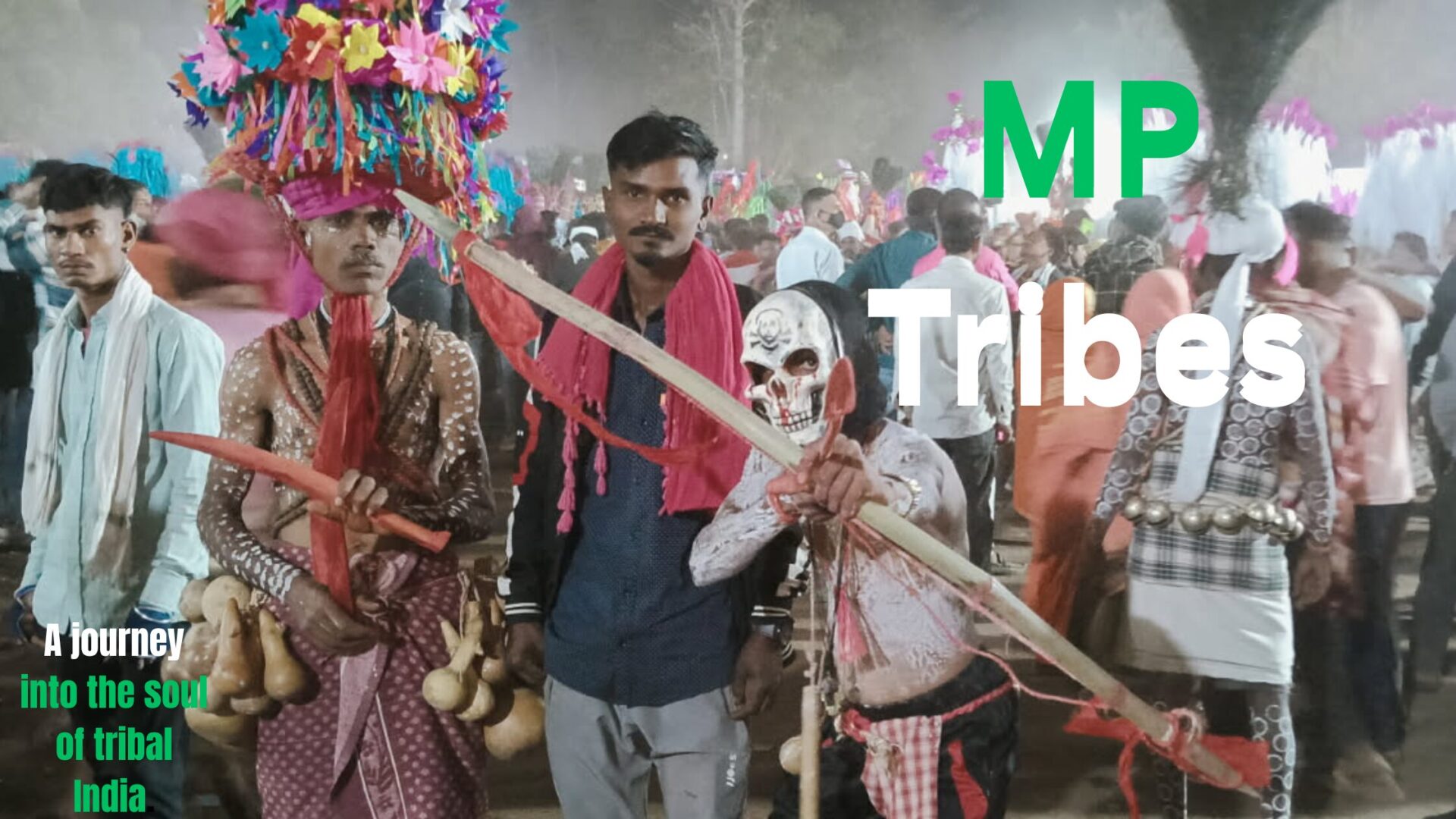
Madhya Pradesh, known as the “Heart of India,” has one of the most diverse tribal populations in the country. The state is home to over 46 MP tribes, each with its own ancient culture, knowledge, and traditions deeply connected to the surrounding forests, rivers, and landscapes.
Major MP tribes such as the Bhil, Gond, Baiga, Sahariya, Kol, Korku, and Oraon have significantly shaped the cultural identity of Madhya Pradesh. They celebrate unique festivals, create traditional art, follow distinctive food practices, and maintain sustainable lifestyles. Their indigenous knowledge of nature, herbal medicines, farming systems, and community living offers valuable insights for modern society.
This guide provides an overview of the history, lifestyle, culture, languages, festivals, customs, food traditions, challenges, and tourism opportunities related to the tribes of Madhya Pradesh. It helps readers understand the rich heritage and meaningful contributions of these tribal communities.
Origin & Early History of MP Tribes
The MP tribes have ancient origins that go back to prehistoric times. The earliest signs of their existence are found in the Bhimbetka Rock Shelters, where archaeologists discovered rock paintings and traces of early human life that are 30,000 to 10,000 years old. These discoveries show that the tribes of Madhya Pradesh were among the first human groups to live in India, surviving through hunting, gathering food, and maintaining a close connection with nature.
Over thousands of years, these early groups evolved into distinct tribes, including the Gond, Bhil, Baiga, Kol, Sahariya, and Korku. Their culture, traditions, and ways of life developed around the forests, which shaped their economy, beliefs, and identity.
During the medieval period, many MP tribes grew into organized political powers. A notable example is the Gondwana Kingdom, led by the Gond tribe. This kingdom became one of the strongest tribal states in Central India, and Queen Rani Durgavati is remembered for her courage in defending her land against the Mughal army.
Population & Distribution of MP Tribes
Madhya Pradesh has one of the largest tribal populations in India. More than 15.3 million people, or 21.1% of the state’s total population, belong to tribal communities, according to the 2011 Census. The state officially recognizes 43 Scheduled Tribes, most of whom live in rural and forest areas. The strongest tribal presence is found in the western and eastern tribal belts, which make up a significant part of the region.
Top Tribal Majority Districts in MP
Many districts in Madhya Pradesh have a large tribal population, with more than half of the residents belonging to tribal groups. The districts with the highest tribal populations include Jhabua, Alirajpur, Barwani, Dhar, Mandla, Dindori, Balaghat, and Shahdol. These regions are renowned for their rich cultural traditions, well-preserved customs, and lifestyles that remain deeply rooted in nature.
Largest and Fast-Growing Tribal Communities in MP
The Bhils and Gonds, the largest tribal communities in Madhya Pradesh, embody the rich heritage and spirit of resilience that define the region’s tribal population. Other noteworthy and rapidly growing groups such as the Kol, Baiga, Sahariya, and Korku tribes also contribute to this vibrant cultural tapestry. The Bhils predominantly inhabit the western regions, while the Gonds are spread across the central and eastern forest areas, showcasing the beauty of unity in diversity.
Major Tribes of Madhya Pradesh
Madhya Pradesh is home to many important MP tribes, and tribal culture is a key part of the nation’s identity. Among the 43 officially recognized MP tribal communities, the Bhils and Gonds are the largest. Many other MP tribes also contribute to the state’s cultural diversity. Each tribe has its own unique traditions, dialects, crafts, social beliefs, and lifestyles, shaped by a deep connection to nature and their ancestors.
Let’s explore some of the other major MP tribes.
Gond Tribe

The Gond tribe is one of the largest and most influential tribal groups in Madhya Pradesh. They mainly live in the districts of Mandla, Dindori, Balaghat, Chhindwara, and Seoni. The Gonds have a deep connection with forests and traditionally rely on farming, forestry, and hunting for their livelihood. They have a rich cultural heritage, including the Gondi language, colorful festivals, traditional paintings, and folk dances.
The Gonds once ruled the powerful Gondwana Kingdom, where Queen Rani Durgavati became a symbol of courage and pride. Today, the Gond community continues to preserve their traditional knowledge, beliefs, and unique art forms.
Bhil Tribe

The Bhil tribe is one of the largest and most significant MP tribes, mainly living in the districts of Jhabua, Alirajpur, Barwani, Dhar, Ratlam, and Khargone. The Bhils are known for their exceptional archery skills, strong cultural identity, and close relationship with nature. They are believed to be descendants of Eklavya, a legendary figure from the Mahabharata.
Traditionally, the Bhils rely on farming, hunting, and forest resources for their livelihood, and the forest remains central to their lifestyle. Their vibrant cultural heritage includes the Bhili language, colorful clothing, traditional music, and energetic dance forms such as the Geer folk dance. The Bhil community celebrates major festivals like Bhagoria and Holi, which highlight their joyful spirit and unique cultural traditions.
Today, the Bhil tribal community in MP continues to preserve its identity while adapting to modern social and economic changes. However, many still face challenges related to land rights and displacement, making cultural resilience an essential part of their journey.
Baiga Tribe

The Baiga tribe is one of the most unique and culturally rich MP tribal communities. They mainly live in the districts of Dindori, Mandla, Umaria, Balaghat, and Shahdol. Known as the “sons of the forest,” the Baiga people have a strong spiritual connection to nature and consider the forest sacred. They traditionally practiced shifting cultivation, growing crops in different forest areas over time, and relied on forest products, herbal medicine, and gathering for survival. The tribe is also well known for its traditional tattoo culture.
The Baiga community is celebrated for its distinctive tattoo art, traditional dance forms, and deep knowledge of medicinal plants. Their cultural identity includes the Baiga dialect, natural healing practices, and intricate tattoos, each holding spiritual significance. Today, the Baiga tribe strives to preserve its ancestral traditions while facing modern challenges such as restricted forest access and changes in livelihood.
Sahariya Tribe

The Sahariya tribe is one of the most significant MP tribes, primarily residing in the districts of Shivpuri, Sheopur, Gwalior, Datia, and Ashoknagar. Traditionally, the Sahariyas are known as forest hunters and gatherers, and their name is believed to be derived from the word “Sahar,” meaning forest. Their way of life has long revolved around collecting forest products, cutting wood, and participating in seasonal agricultural labor. The connection between the forest and the community has existed for generations and remains an essential part of their identity.
The Sahariya community is recognized for its resilience and strong family structure. Their culture includes traditional folk songs, religious rituals, and simple yet meaningful art forms. However, the Sahariya tribe is considered one of the most economically vulnerable groups in Madhya Pradesh, facing challenges related to poverty, malnutrition, and displacement due to limited access to forest resources. Today, various government and social welfare initiatives support their education, healthcare, and livelihood development.
Kol Tribe

The Kol tribe is an important tribal community in Madhya Pradesh, mostly found in the districts of Rewa, Satna, Sidhi, Singrauli, and Chitrakoot. The Kols mainly work as farmers, laborers, and skilled stone cutters, focusing on occupations connected to land and natural resources. They lead simple lives, valuing hard work and their close connection to farming.
The Kol community has a rich cultural heritage, expressed through folk songs, traditional dances, and rituals that honour nature and everyday life. Their dialect and storytelling traditions help preserve their identity. Even as modernization influences their lifestyle, the Kol tribe continues to protect its cultural roots while striving for better education and development opportunities.
Korku Tribe

The Korku tribe is one of the major MP tribes, mainly living in the districts of Khandwa, Burhanpur, Betul, Harda, and East Nimar. The Korku people have a strong connection to forests and wildlife, traditionally relying on farming, gathering forest products, and raising animals for their livelihood. Their name is believed to mean “people of the land.”
The Korku community has a unique cultural identity, reflected in their Korku dialect, traditional music, and folk dances. They are also known for their distinctive food culture, especially dishes made from mahua flowers and millets. While the Korku tribe works to preserve its cultural traditions, many families continue to face challenges related to nutrition, education, and healthcare, particularly in remote forest regions.
Culture & Traditions of MP Tribes
MP Tribes have a rich and diverse cultural heritage shaped by ancient traditions, spiritual beliefs, and exceptional craftsmanship. These tribal communities live in deep harmony with forests, rivers, and their ancestral land. Madhya Pradesh is home to more than 21 major tribes, including the Bhil, Gond, Baiga, Korku, Kol, Sahariya, Bharia, and Mawasi, who together represent the true essence of tribal culture in MP.
Every tribe within the MP Tribal communities carries a unique identity, traditional knowledge, language, festivals, and rituals that have been preserved for centuries. Their folk dance, traditional music, tattoo art (Godna), bamboo craft, herbal medicine, and community-based lifestyle reflect the living heritage of MP Tribes, which continues to thrive proudly even in the modern era.
Traditional Lifestyle & Community Living
The MP Tribes live in close harmony with nature, staying deeply connected to their forests, rivers, and mountains. Their villages are built through teamwork and collective decision-making, reflecting strong community bonds. Most traditional homes are made from mud, bamboo, clay tiles, and cow dung plaster, which keep them cool in summer and symbolise their connection to the earth.
Community gatherings, storytelling, folk singing, and celebrations show the unity and shared responsibility within tribal communities of Madhya Pradesh. Their sustainable lifestyle depends on traditional farming, livestock rearing, and collecting forest products such as honey, mahua, and medicinal herbs. For generations, the tribes of Madhya Pradesh have believed that protecting nature is not just a choice but a sacred cultural tradition passed down by their ancestors.
Art, Craft & Indigenous Knowledge

The tribes of Madhya Pradesh are highly skilled in traditional craftsmanship, such as bamboo work, wood carving, pottery, beadwork, and hand weaving. Famous art forms like Gond art and Bhili art, which are now recognized worldwide, originated from these tribal communities. The Baiga tribe is also known for its unique tattoo art, where intricate designs inspired by nature express cultural identity, spiritual beliefs, and storytelling through patterns and symbols.
Traditional herbal medicine is another strong part of tribal knowledge. The tribal people rely on forest herbs, roots, leaves, and natural healing practices that have been preserved and passed down through generations. This indigenous wisdom reflects their deep connection with nature and sustainable living.
Festivals Celebrated by MP Tribes
Festivals are the heartbeat of tribal culture in Madhya Pradesh, celebrated with traditional music, dance, rituals, and natural worship. Each festival represents gratitude, unity, and the seasonal cycle of nature and farming.
Bhagoria Festival
The Bhagoria festival is a popular tribal celebration among the Bhil and Bhilala communities. It marks the beginning of the harvest season and is celebrated in February and March (Holi ke aas-paas). The festival is known for its lively markets, traditional clothing, colorful face paint, bamboo flutes, and a unique tradition in which young couples choose their life partners freely.
Villagers gather to enjoy energetic folk dances, traditional music, and the famous Mahua drink, creating a vibrant and joyful atmosphere filled with cultural pride and unity.
Karma Festival
The Karma Festival is celebrated to honor Karma Devta, the god of fortune and prosperity. During the festival, villagers plant a sacred branch of the Karma tree in the village courtyard. They gather around it, dancing and singing folk songs in their tribal language throughout the night. People pray for good crops, good health, and the well-being of the entire community.
This festival reflects the deep connection between nature and human life. To express gratitude for nature’s blessings, villagers offer fruits, grains, and traditional food as sacred offerings.
Madai Festival
The Madai Festival is one of the major traditional celebrations of the Gond community, a significant group among the MP Tribes. In this festival, tribal groups from different villages gather at a common place to celebrate their culture and heritage. The event includes devotional rituals, parades with traditional weapons, decorated animals, folk dance and music performances, and open markets where local crafts and forest products are displayed.
The Madai Festival reflects strong unity, cultural pride, and community bonding among the MP Tribes. Like Madai, fairs and open gatherings are an important part of many cultural festivals celebrated across the tribal regions of India.
Hareli, Aam Jatra & Other Seasonal Festivals
Festivals like Hareli, Aam Jatra, Matki Mela, and Akhari connect people to farming cycles and show gratitude to nature. These celebrations include traditional foods, mahua drinks, animal worship, and ritual dances to mark the start of farming or the arrival of rain.
Traditional Tribal Holi Celebrations Among MP Tribes
Holi is a lively festival celebrated by the MP Tribes, especially in villages like Kathi and Molagi, where it is considered one of the most important community events. The celebration is filled with traditional music, rituals, and cultural gatherings.
Tribes such as the Bhil, Bhilala, Gond, and Baiga all part of the MP Tribes come together in open spaces to perform group dances. They celebrate with energetic folk movements to the sounds of drums, flutes, and other traditional instruments. Men and women wear colorful clothes, silver jewelry, and natural face markings. Folk songs sung in their native tribal languages add to the vibrant festive atmosphere.
During Holi, locals light a tall bamboo pole and circle around it seven times before setting it on fire. The remaining embers from this sacred fire are preserved and used to start the next year’s Holi celebration. This unique ritual, often known as tribal Holi, is an important cultural tradition among the MP Tribes.
The festival also includes religious offerings, community gatherings, and the traditional Mahua drink, symbolizing unity and gratitude. For the MP Tribes, Holi represents the arrival of spring, the victory of good over evil, and the celebration of nature’s renewal.
Deities and Rituals of MP Tribes

The MP tribes follow ancient religious traditions centered around their local deities, ancestral spirits, and the forces of nature. Their belief system is deeply rooted in forests, mountains, rivers, and sacred sites, which they view as living entities that protect their community. Each tribe has a primary deity responsible for guiding their crops, health, livestock, rainfall, and overall well-being. Worship rituals include music, folk dance, offerings (bhandaras), and age-old practices passed down through generations.
The spiritual life of the MP tribes is guided by traditional healers and priests such as the Baiga, Guniya, Badwa, Bhopa, and Panda. These spiritual leaders perform rituals to cure illnesses, remove negative energy, and communicate with ancestral spirits. Festivals, harvest seasons, and significant life events such as birth, marriage, and death—include specific rituals that honor these deities and help preserve their cultural traditions.
For the MP tribes, these rituals are not merely religious acts; they are expressions of gratitude, unity, and a commitment to protecting the land and natural resources that sustain their way of life.
Worship of Local Tribal Deities
The tribes in Madhya Pradesh worship many powerful deities, including gods and goddesses. These deities protect their land, crops, families, and community harmony. They represent natural forces, ancestral spirits, and divine protection. Tribal communities keep their ancient spiritual traditions alive through rituals, folk songs, offerings, and seasonal festivals.
Major Tribal Gods (Dev / Baba / Bheru)
- Babdev
- Indra Baba
- Bheelat Dev
- Khuaja Kunwar
- Nahajo Dev
- Okha Baba
- Sevala Sutar
- Manta Dev
- Guwalya Baba
- Deh Mata
- Kunpada Dev
- Maldev Kunwar
- Labiya Bheru
- Hanuman Baba
- Singaji Baba
- Damra Dev
- Mahadev Babo
- Shiva Baba
- Gal Baba
- Harel Dev
- Kakda Kunwar
- Bail Baba
- Rolya Baba Dev
- Doodha Dev
- Bhuvani Mata Baba
- Garji Mata Baba
Major Tribal Goddesses (Mata / Devi)
- Rani Kajal
- Lalbai Mata
- Fulbai Mata
- Sarsati Mata
- Navani Mata
- Meladi Mata
- Tutali Mata
- Siyari Mata
- Saat Matra
- Sitla Mata
- Narbada Mata
- Kalka Mata
- Pipari Mata
- Mahi Mata
- Pavagadh Vali Mata
- Holi Mata
- Khori Mata
- De Mata
- Godari Mata
- Jhumka Devi
- Garji Mata
- Savan Mata
- Kheda Chavan Mata
Bheelat Babo: The Guardian Deity of the Bhil Community
Bhilat Baba is a powerful deity worshipped by the Bhil tribe in Madhya Pradesh. He is believed to protect people, animals, and farmland from dangers such as snakes and evil spirits. The community regards him as a guardian who brings safety, harmony, and balance to village life.
On the last day of the dark fortnight in the month of Ashadh, villagers perform special rituals dedicated to Bhilat Baba. After worshipping Babadev and before Navratri, they sow Jaware, a ritual wheat offering, and sing devotional songs in his honor. The tribal priest, or Badwa, beats the drum and chants “Bhilat–Bhilat,” inviting the spirit of Bhilat Baba to enter the ritual. The dancers then move energetically in a circle, creating an atmosphere filled with spiritual power and devotion.
Spiritual Role in Tribal Communities
For the MP Tribes, Bheelat Babo represents:
- Protection from snake bites and natural dangers
- Guardianship of cattle, livestock, and farmlands
- A deity who responds to devotion through dance, chanting, and ritual songs
- A divine presence during festivals and seasonal ceremonies
Villagers offer rice, flowers, coconuts, and sacred grains to his shrine and seek his blessings for rain, health, and prosperity.
Preserving the Cultural Legacy of the MP Tribes
The cultural heritage of the tribes in Madhya Pradesh is a living treasure shaped by their traditions, rituals, festivals, deities, art forms, and deep connection with nature. From powerful deities like Bhilat Baba and Babadev to vibrant celebrations such as Bhagoriya, Madai, and Tribal Holi, each practice reflects the ancestral wisdom and community values of the MP tribes.
In today’s world, as modernization spreads and traditional lifestyles continue to change, it is increasingly important to preserve the knowledge, beliefs, and stories that define the tribal identity of Madhya Pradesh. Documenting their rituals, languages, crafts, music, and sacred practices helps ensure that this cultural heritage remains alive for future generations.
The tribes of Madhya Pradesh continue to inspire the world with their resilience, unity, sustainable lifestyle, and remarkable cultural richness. Protecting and celebrating this heritage is not only a responsibility but also a meaningful way to honor the ancestors who have preserved these traditions for centuries.
FAQ
Who are the MP Tribes?
The MP Tribes are the indigenous tribal communities living across Madhya Pradesh, including major groups like the Bhil, Gond, Baiga, Korku, Kol, Sahariya, and Bhilala. They are known for their rich culture, nature-based lifestyle, and ancient traditions.
How many tribal communities are there in Madhya Pradesh?
There are more than 21 major tribal communities in Madhya Pradesh, making it one of India’s most diverse tribal regions.
What is unique about the culture of the MP Tribes?
The MP Tribes have a unique culture rooted in nature, traditional farming, folk music, dance, tattoo art, bamboo craft, and ritual worship of local deities. Their practices reflect harmony, unity, and sustainable living.
Which festivals are important to the MP Tribes?
Popular tribal festivals include Bhagoria, Madai, Karma, Tribal Holi, and various seasonal fairs. These festivals celebrate harvest, nature, deities, and community unity.
Who are the major deities worshipped by the MP Tribes?
The MP Tribes worship many local deities, including Bhilat Baba, Babdev, Indra Baba, Maldev Kunwar, Gopal Dev, Navani Mata, and several nature spirits who protect their villages.
What rituals are practiced by the MP Tribes?
Common rituals include nature worship, ancestor worship, healing ceremonies, Jaware sowing, and community prayers led by traditional priests such as the Baiga, Gunia, Badwa, Bhopa, and Panda.
Conclusion
The tribes of Madhya Pradesh have a rich and diverse cultural heritage. Their traditions, festivals, rituals, deities, art forms, and deep connection to nature create a cultural legacy that has endured for centuries. From the spiritual presence of deities like Bhilat Baba to lively tribal festivals filled with music and dance, their wisdom, strength, and unity are reflected in every aspect of their lives.
As society continues to change, preserving the traditions and stories of the tribes in Madhya Pradesh becomes increasingly important. We can contribute by documenting their practices, supporting tribal artisans, and respecting the ancestral knowledge they have safeguarded. In doing so, we help ensure that their remarkable heritage remains alive for future generations.
The tribes of Madhya Pradesh inspire us with their sustainable lifestyle, strong community values, and unique cultural identity. Celebrating and protecting this heritage not only shows respect but also honors the people who keep these traditions alive with pride and dedication.
Your feedback means a lot to us.
If you have any questions, suggestions, or concerns, feel free to leave a comment below. We’re here to listen, grow, and improve together.
THANK YOU…………………………………..THANK YOU…………………………………..THANK YOU…………………………………..