
When the Mandar Dhol echoes through the forests of Bastar and the sacred flag flutters high against the blue sky, the people of Chhattisgarh know that the Madai festival has arrived. Celebrated with unmatched enthusiasm by the Gond, Baiga, and Halba tribes, this festival is more than just a gathering; it symbolizes faith, unity, and gratitude. It is a celebration of respect and reverence for nature. From October to March, the Madai tribe travels from village to village, transforming each location into a vibrant hub of folk dance and music.
Tribal communities bring their deities in grand processions, accompanied by rituals, folk songs, and colorful fairs. Every corner resonates with laughter, chanting, and a sense of community. For the tribes of Chhattisgarh, the Madai festival is not just an annual event; it is a celebration of their roots, their gods, and their way of life. It is a time when tradition meets joy, and the ancient pulse of the forest beats anew.
What is Madai Festival, and Why is it Celebrated?
The Madai Tribal festival is a lively and important tribal celebration in Chhattisgarh. It has strong ties to the Gond, Baiga, and Halba tribes. “Madai” means a sacred gathering or fair for worshiping village deities. This festival shows the connection between nature, faith, and tribal life. During Madai, tribal communities express thanks to their local deities and ancestors for good harvests, prosperity, and protection from harm.
People believe that the gods visit the villages to bless their followers. Villagers hold a procession, carrying decorated idols of their deities with colorful flags, flowers, and tribal ornaments. The Madai festival is also a chance for social and cultural gatherings. Families come together, old connections are renewed, and unity is celebrated. The festival features folk dances, music, and traditional activities.
For the tribal community, Madai also signals the start of the post-harvest season, celebrating the food that nourishes and energizes them. In short, Madai is not just a festival; it is a meaningful expression of tribal devotion, gratitude, and unity that has been shared across generations in the forests of Chhattisgarh.
The Historical and Cultural Significance of Madai Mela
The Madai Mela of Chhattisgarh has a rich history and cultural identity. It likely began during the time of the Gond kings, who ruled Bastar and Kanker. In ancient times, these rulers encouraged community gatherings after the harvest. People from local villages met to worship their gods, share food, trade goods, and build unity. Over time, these gatherings became known as the Madai festival. The festival is a symbol of collective identity for the tribal people.
It connects different villages, castes, and states, promoting social harmony and cultural exchange. Through traditional rituals, dances, and music, the Madai Mela helps preserve the storytelling traditions of these communities. Today, Madai remains culturally important. It shows the bond between humans and nature, which is central to tribal beliefs. Every dance move, drumbeat, and song performed at Madai holds ancestral memories and spiritual meaning. In modern times, urbanization has altered many aspects of tribal life; however, the Madai Mela continues to represent tribal faith, heritage, and community spirit. It is a festival where the past and present come together.
When and Where is Madai Festival Celebrated in Chhattisgarh
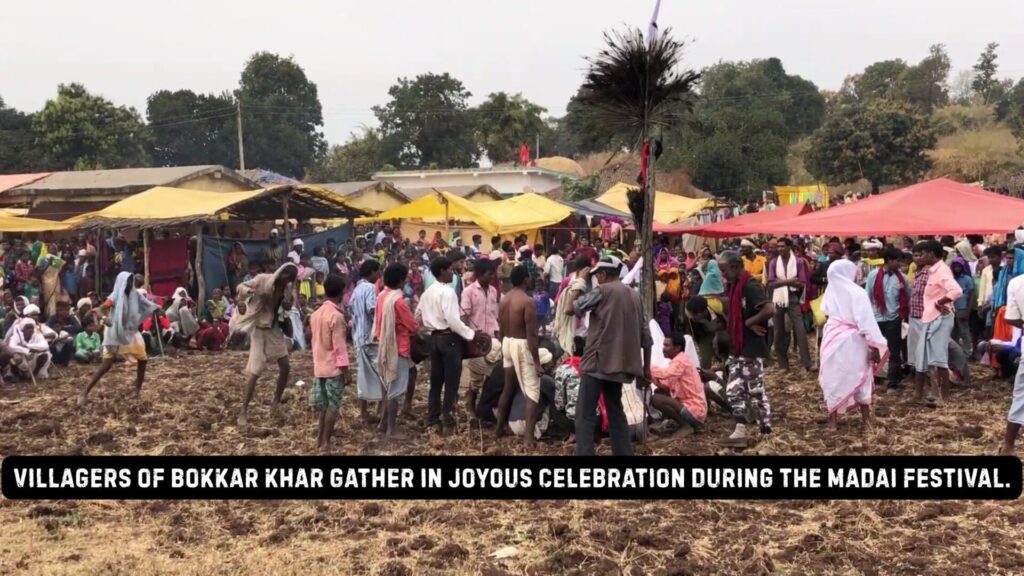
The Madai festival is special because it is not limited to just one village or city. It is a “moving festival” that travels through the forests and hills of Chhattisgarh from October to March, visiting many tribal settlements. Each village celebrates on different days, and the village elders decide when their celebration will be. This creates a continuous chain of devotion and festivities across the region.
Major Locations and Timeline
Why the Festival Moves
Unlike fixed-location fairs, the itinerant nature of Madai allows different tribal communities to organize their own rituals while preserving the essence of the festival. This movement reflects the deep connection between the tribes and nature, as they follow seasonal cycles, harvesting methods, and sacred forest paths. The festival provides an opportunity for the tribes to showcase their culture.
Hidden Insights
- Some villages have hidden temples deep in the forest, where only the elders conduct religious rituals of the caste. Outsiders rarely observe these temples, which preserve the festival’s mysterious essence as part of the culture.
- The dates for tribal events change every year because they depend on the moon and local beliefs. This is why tribal communities use a traditional village calendar instead of the official calendar. Their calendar is based on the moon and sun, which is different from other societies.
- This emotional aspect ensures that every caste, from Gond to Halba, has an opportunity to welcome the gods, making Madai a festival of collective ownership and shared spirituality.
In essence, the Madai festival is not just about time or place; it is about journey, devotion and the rhythm of tribal life, which is spread across the forests, fields and villages of Chhattisgarh like a living story written on it.
Rituals and Traditions Followed During the Festival
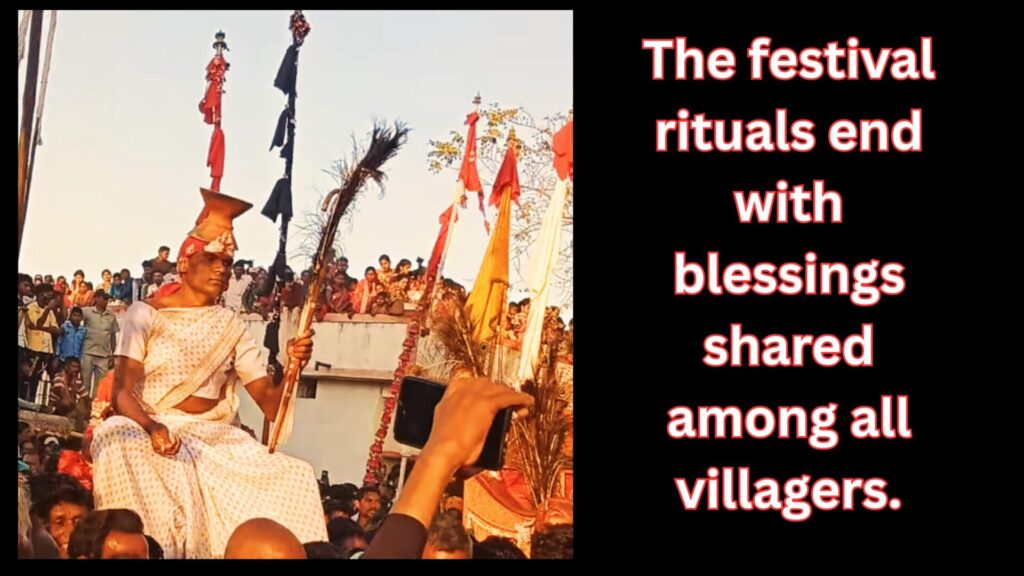
The Madai festival is more than just a fair; it is a religious journey filled with faith, devotion, and a sense of tribal identity. Each village and caste has its own unique customs and traditions, yet they all share a common theme: honouring their gods and celebrating their connection with nature and their ancestors. The festival is also an expression of gratitude for the life that nature has provided.
The Divine Procession
A procession of village deities occurs in the heart of Madai. Tribal elders lead the villagers along forest paths and village squares, carrying idols adorned with flowers, colorful cloths, and sacred ornaments. Drums, flutes, and horns play in rhythm, guiding the people and seeking divine blessings. Some rituals are performed in ancient forest temples, known only to the elders, which adds a mysterious aura to the celebrations.
Dance and Music
Music is essential to the Madai, and every tribal community needs music to feel complete. Instruments like the Mandar, Dhol, bamboo flutes, and stringed instruments create the rhythm for traditional dances. The Gond and Baiga tribes perform circle dances, where each movement tells stories about bravery, fertility, and nature worship. These dances can last all night, helping participants feel a deep connection with their deities.
Offerings and Symbolism
Some villages offer a variety of items, including rice beer, wild fruits, and flowers, as well as symbolic sacrifices. Each ritual, whether simple or complex, expresses gratitude to the gods, seeks protection for the village, and celebrates the harvest.
Community Gathering
The Madai Festival is a vibrant tribal fair of Chhattisgarh that highlights the deep sense of social cohesion and unity within tribal communities. It brings together families from remote hamlets, allowing elders to share ancient tribal folklore, songs, and legends that reflect their rich cultural heritage. The event encourages young individuals to take part in traditional games, tribal dance, and competitions, ensuring that tribal traditions and values are passed down through generations. Beyond celebration, the Madai Mela strengthens the bond of tribal culture and togetherness, making it a living example of community spirit and collective identity among the tribes of Chhattisgarh.
This event plays a critical role in ensuring that knowledge, customs, and cultural practices are effectively transmitted to subsequent generations. Fundamentally, the rituals and traditions associated with Madai serve as living narratives that preserve centuries-old tribal beliefs while cultivating a profound sense of community, dedication, and harmony with the natural environment.
Unique Rituals of Madai Festival: The Sacred “Dev Jhoolan” Tradition
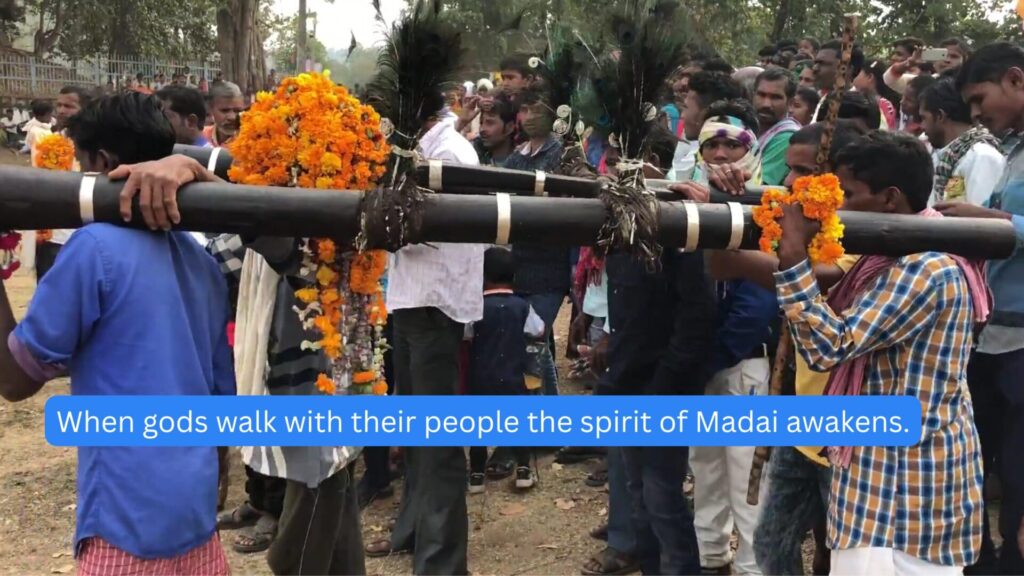
One of the most important rituals of the Madai festival is called the “Dev Jhulan” or “Devgudi Yatra.” During this event, tribal people carry a sacred symbol of their village deity on their shoulders, decorated with flowers, feathers, and cloth. This long wooden pole, called the “Dev Dand” or “Dev Khamb,” represents the presence of the tribal gods who protect the village, forests, and crops. Men are chosen to carry it through rituals and fasting, and they are seen as messengers of the divine.
As the procession moves through the village, people hear drums, conch shells, and chanting. Women sprinkle rice, turmeric, and flower petals on the path to welcome the deity. The whole community walks barefoot to show humility and connection with the earth. The black wooden and white cloth bands represent the balance of nature, such as darkness and light, rain and fire, and life and death.
The flowers made from gourds symbolize purity and divine energy, while peacock feathers are believed to keep evil spirits away. When they reach the main temple or “Devagudi,” they offer mahua juice, fruits, and animal symbols to please the deity.
The ritual ends with the “Deva Nritya,” a dance where devotees believe the spirit of the god enters the dancers, blessing everyone with prosperity and protection. This ancient tradition, still observed in the tribal areas of Kanker, Bastar, and Narayanpur, shows how faith, community, and nature are connected in tribal life, making Madai one of the most spiritually significant festivals in India.
How Madai Festival Strengthens Tribal Economy and Social Bonds
The Madai festival, beyond its religious rituals and devotion, plays a vital role in enhancing the tribal economy and fostering social cohesion in Chhattisgarh. This annual gathering has been more than just a celebration; it serves as a vibrant marketplace of culture, community, and livelihood, making it an essential aspect of tribal culture since ancient times.
A Festival That Fuels the Local Economy
During Madai, tons of people from nearby villages come together for a lively open market. You’ll find tribal artisans showing off their handmade jewelry, bamboo crafts, pottery, and traditional ornaments made from natural materials. Farmers bring their freshly harvested grains, honey, forest herbs, and mahua products, while cattle traders and weavers swap goods either through barter or cash.
This bustling exchange not only gives a boost to the local economy but also helps keep traditional tribal jobs alive that might otherwise fade away. For many families, the Madai Mela is their biggest source of income each year and is essential for their livelihood.
Social Unity Through Celebration
The festival brings villages together. Families from far away meet, and the tribal community is known for being friendly and welcoming. They share meals and reconnect with each other. People arrange marriages, settle disputes, and rekindle friendships. Elders tell stories and share traditional knowledge. Meanwhile, young people join cultural activities and sports that build a sense of community. These interactions help keep the tribe united, ensuring that cultural values and social harmony continue from one generation to the next.
A Sustainable Cultural Economy
The Madai Festival shows a self-sustaining tribal economy where art, farming, and spirituality work together. It shows that festivals are more than just celebrations; they are important parts of community life that support survival and togetherness.
Hidden Rituals of Madai Festival: Unseen Traditions of Tribal Life
The Madai festival is a vibrant celebration embraced by tribal communities, alive with music, folk dances, and the joy of communal feasting known as Bhandaro. Yet, beneath the surface of this public jubilation lies a profound tapestry of hidden rituals, rich in spiritual, social, and cultural significance, safeguarding the essence of ancestral traditions and their cherished heritage. A particularly inspiring element of the Madai festival is the reverence for ancestors.
While outsiders witness general prayers and offerings, the elders engage in sacred rituals within the heart of the forest. With herbs, forest flowers, and fire, they pay homage to their ancestors, seeking blessings for prosperity and protection, a powerful testament to the enduring connection between past and present. The ritual of spiritual purification further elevates the festival’s significance. Before the main activities commence, participants undergo purification with water, mud, or herbal leaves, symbolically shedding negative energies and embracing a positive spirit for the celebrations.
This sacred practice, overseen by tribal elders, reflects the community’s collective commitment to mindfulness and unity. Secret drumming and music add another enchanting layer. Beyond public performances, specific rhythms and folk songs resonate during intimate gatherings, conveying ancestral stories and survival strategies through sound. Only those within the tribe can fully appreciate the depth and meaning behind these melodies, enhancing the festival’s mystique. Moreover, in addition to the public folk dances, sacred dance circles flourish where young men and women, guided by elders, move in ways that embody hunting techniques, seasonal shifts, and community legends.
These dances are not merely entertainment; they serve as a living archive of tribal wisdom, bridging generations. Lastly, offerings to forest spirits and divination rituals are vital to these hidden ceremonies. By honoring sacred trees, rivers, and stones with grains, fruits, and incense, the tribe fosters harmony with nature. Elders perform symbolic divination, drawing lessons from nature’s messages to prepare the community for future challenges, showcasing a deep-seated reverence for the world around them.
These hidden rituals of the Madai festival not only strengthen spiritual beliefs but also deepen community bonds. They preserve ancient wisdom, teach younger generations their responsibilities, and nurture a profound connection with nature. By understanding these unseen traditions, we uncover more than just a celebration; we discover a sacred tapestry of tribal life, woven with dedication, reverence, and cultural pride.
Madai Festival: A Living Legacy of Tribal Spirit
The Madai Festival brings together young tribal members who blend old traditions with modern creativity. The jungle resonates with drums and dances, while the new generation adds excitement and freshness to each ritual, honoring their roots. Young men and women participate in sacred dances, acting as both performers and storytellers.
Their movements reflect ancient skills, and their modern confidence shows that tribal culture can adapt. Secret rituals gain new meaning when embraced by passionate youth. Madai also showcases young talents with handmade jewelry, colorful textiles, and eco-friendly art.
Music, drumming, and storytelling become interactive experiences that foster learning and connection between generations. In short, the Madai Festival celebrates heritage and the vibrant energy of youth, proving that tradition evolves and thrives through the spirit of young tribal members, keeping culture and community alive for the future.
FAQ
What is Madai Festival?
The Madai Festival is a significant tribal celebration observed in central and eastern India, especially among tribes in Chhattisgarh, Odisha, and nearby areas. This vibrant festival features a blend of religious devotion, music, dance, and community gatherings, taking place after the monsoon season to honor deities and ancestors.
When is Madai Festival celebrated?
The festival usually falls between September and October, after the harvest season. The exact dates vary by tribe and region, often aligned with ancestral calendars and agricultural cycles.
Who participates in Madai Festival?
Tribes from nearby and distant villages gather. Elders, youth, and artisans all participate. Visitors and outsiders may observe public rituals, but many sacred ceremonies are reserved for tribal members only.
What are the main activities during Madai?
Madai includes folk dances, drum performances, singing, storytelling, and local markets. Hidden rituals, such as ancestral worship, spiritual purification, and secret dance circles, are also performed.
Are there any secret rituals in Madai?
Yes. Elders perform private ancestral prayers, forest offerings, and divination rituals that are not revealed to outsiders. These rituals maintain spiritual balance and tribal continuity
Can outsiders attend Madai Festival?
Yes, outsiders may observe public parts of the festival, but access to sacred rituals is restricted to tribal members to preserve authenticity and privacy.
Conclusion
The Madai festival is more than a colorful gathering; it showcases the culture, spirituality, and traditions of tribal communities. With lively dances, rhythmic dhol beats, and both secret rituals and public celebrations, every aspect carries deep meaning. This festival honors the past, supports the present, and inspires the future. The Madai community strengthens as elders share stories and values with younger members, ensuring that tribal knowledge endures. Young people contribute fresh ideas, showing that tradition can evolve while maintaining its essence.
The festival highlights a deep connection with nature. Through offerings to forest spirits and sacred ceremonies, tribal people express their respect for the environment. Madai also supports artisans, weavers, and farmers, turning cultural heritage into sustainable jobs. In summary, Madai festivals celebrate identity and shared values. They offer a glimpse into a world where culture thrives and traditions are upheld by all ages, celebrating the spirit of India’s tribal communities.
Your feedback means a lot to us.
If you have any questions, suggestions, or concerns, feel free to leave a comment below. We’re here to listen, grow, and improve together.