
In Indian tribal culture, the Kuldevi is a sacred protector of families. She safeguards their lineage, traditions, and prosperity. In these communities, women are respected as equals to men. Therefore, the Kuldevi, often seen as a woman, is very important. Each community believes that the blessings of their Kuldevi bring harmony, courage, and development. People start rituals, festivals, and important life events with prayers to this divine figure. Among tribal groups, the Kuldevi holds a special place. She symbolizes nature, fertility, and protection. She connects people to their roots and reinforces the strong bond between faith, culture, and ancestral heritage.
The Importance of Kuldevi and Adivasi Kuldevi in Family and Tradition
The clan goddess isn’t just a goddess; she’s the heart of family beliefs, guiding generations with her blessings, protection, and wisdom. In tribal communities, she stands for the strength of ancestors and the spirit of nature, making sure everyone thrives and lives in harmony. Getting to know her role shows how both urban and tribal families keep their cultural traditions alive and stay spiritually connected through rituals, stories, and devotion.
What is Kuldevi? Understanding the Guardian Goddess
The term “Kuldevi” is derived from the words “kul,” meaning clan or lineage, and “devi,” meaning goddess. The Kuldevi is regarded as the guardian of a family’s or clan’s ancestors. She is believed to protect the family from harm, guide them through life’s challenges, and bestow prosperity, health, and harmony upon them. Families express their gratitude to their Kuldevi by worshipping her during important life events such as weddings, naming ceremonies, and festivals. In tribal communities, the tribal Kuldevi also represents nature, fertility, and ancestral knowledge. She symbolizes the spiritual connection that binds generations together while preserving cultural and traditional heritage.
Adivasi Kuldevi: Protector of Tribal Families
In tribal communities, the tribal goddess is more than a deity; she represents the spirit of nature, the wisdom of ancestors, and protection. Tribal beliefs hold that she keeps families safe from harm, helps with fertility and prosperity, and guides them through difficulties. Traditional rituals, folk songs, and festivals connect people to their roots and strengthen their cultural identity and bond with nature. The goddess is also believed to depend on nature and help preserve it.
Rituals and Festivals Honoring Kuldevi
Families and tribal communities celebrate their family goddess with rituals and festivals. They give thanks and ask for blessings, like a good harvest. Common customs include daily prayers, offerings (Bhandara), and special ceremonies for weddings, harvests, or annual festivals. Tribal groups that honour the goddess often include folk songs, group dances, and nature-based rituals. These traditions help keep their culture alive, strengthen community ties, and pass down spiritual beliefs through generations.
Tribal Communities and Their Unique Kuldevi Traditions
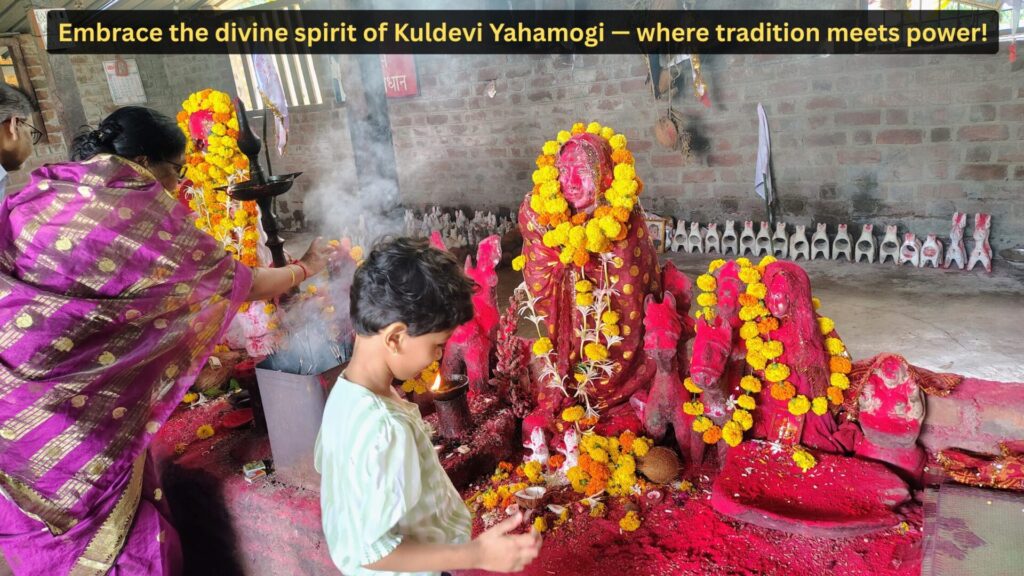
Across India, every tribal community has its own clan goddess that captures their unique beliefs, customs, and ties to nature. These deities are highly revered in rituals, festivals, and everyday life, often associated with forests, rivers, and other natural landscapes. Learning about when, where, and how each goddess is worshipped gives us a peek into the diverse beliefs of tribal communities and highlights their rich cultural and spiritual traditions.
Bhil Tribe: Worshiping Devmogra Mata and Kali Mata
In the Bhil community, Devmogra Mata and Kali Mata are super important to their spiritual and cultural life. These deities are closely tied to the forests, rivers, and their ancestral lands. The rituals they perform aren’t just about worship; they also include storytelling, folk dances, and songs that celebrate the goddesses’ protection over their families and clans. Through these customs, the Bhils keep their traditions alive, enjoy their connection with nature, and pass down their love and respect for Devmogra Mata and Kali Mata to future generations.
Temple and Location
The temples of Devmogra Mata and Kali Mata are often found outside villages, usually in clearings in the forest or on hilltops. They are surrounded by old trees and natural water sources, showing the Bhils’ strong connection to nature. The Devmogra Mata temple is in Devmogra village in the Dediyapada taluka of Narmada district, Gujarat.
It is near the border of Maharashtra and Madhya Pradesh, which brings tribal people from these three states for darshan. On Maha Shivaratri, a large fair takes place, attracting lakhs of tribals who come to worship the goddess.
Offerings and Rituals
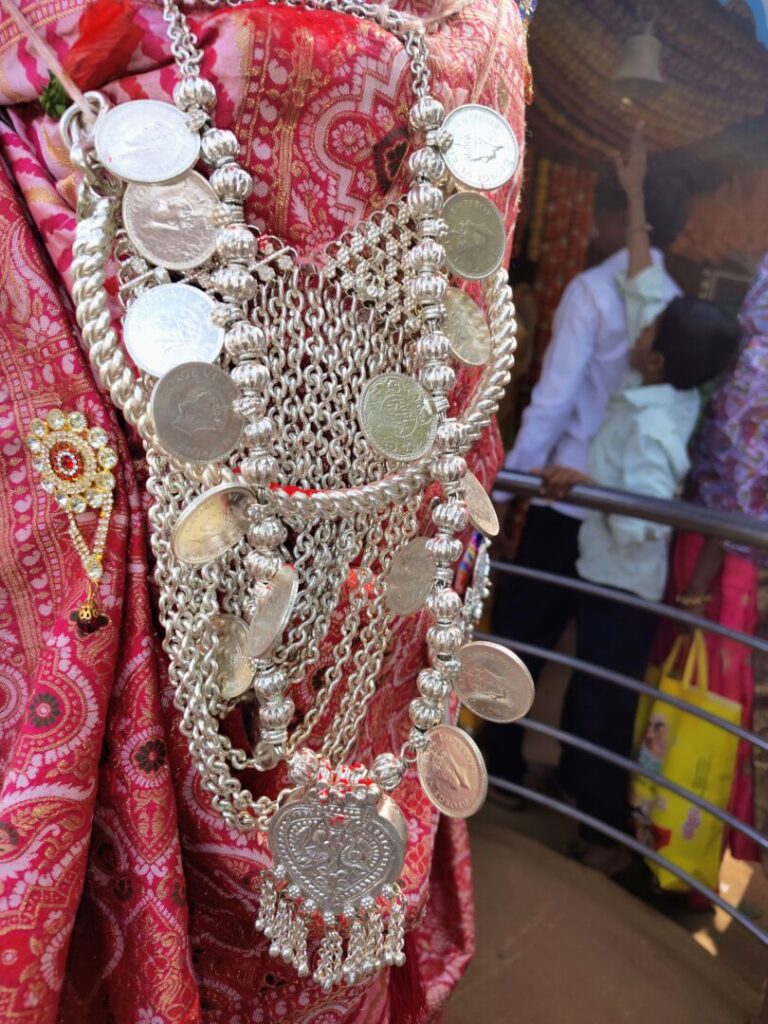
Devmogra Mahashivratri is recognized as a significant cultural event within the tribal community. Preparations for this occasion commence approximately six weeks in advance, during which community members retreat to the fields, away from the village, to engage in simple living and reflection. This time is dedicated to worship and an appreciation of their natural surroundings.
As Mahashivratri approaches, community members visit the temple carrying baskets filled with rice, coconuts, and mahua juice, as a gesture of gratitude for the blessings they have received. Additionally, it is customary to offer sacrifices of chickens and goats to the tribal goddess Devmogra, a practice that has been upheld by their ancestors for generations. This reverence for tradition highlights the profound connection the community shares with its cultural heritage.
Festivals and Special Occasions
Major festivals include Mahashivratri and the harvest festival after Holi. During these occasions, people hold mass prayers, enjoy music, dance, and join in festivities. These activities help strengthen the tribe’s faith and cultural identity.
Kali Kankali Devi: The Fierce Guardian Goddess of Tribal Faith
Kali Kankali Devi is a powerful tribal goddess seen as a fierce form of Kali. The Bhil, Pawara, and Vagdi tribes view her as both a protector and a destroyer. She keeps villages safe from evil spirits, diseases, and enemies. Her temples are often found in natural places like forests or hills and do not have roofs. This shows the strong link between tribal spirituality and nature.
Temple and Location
Temples dedicated to Goddess Kali Kankali are primarily located in the tribal regions of Madhya Pradesh, Gujarat, and Rajasthan. Notable centers of worship can be found in Nimar and Jhabua in Madhya Pradesh, as well as in Dahod, Panchmahal, and Dang in Gujarat, along with numerous tribal villages in southern Rajasthan. These temples are typically situated on hills, within forests, or beneath sacred trees. The idol of the goddess often takes the form of a black stone or a natural rock formation.
Offerings and Rituals
The tribal community prepares for a month before visiting the goddess. They focus on peace and love, avoid negative thoughts about others, and observe fasting. The community offers red cloth (chunari), coconuts, turmeric, vermilion, mahua flowers, and traditional tribal liquor as gifts to the goddess. During major festivals, they sacrifice goats or chickens, following their ancient customs.
Villagers gather at annual fairs or jatras to perform rituals with drums, chant mantras, and participate in traditional folk dances. During the puja, some devotees may enter a trance-like state, which they believe is the goddess manifesting within them. These rituals show the community’s strong faith in the goddess’s protection, power, and divine strength.
Festivals and Special Occasions
Villagers celebrate one of their main festivals with rituals, sacrifices, and folk dances, songs, and drums. During the Vaishakh harvest season, devotees praise the goddess and ask for protection, prosperity, and a good harvest. Each village has an annual fair for Goddess Kali Kankali. This fair includes community worship, traditional music, and tribal dances. Special times, like the start or end of the monsoon and other important dates on the tribal calendar, are good for worship. These occasions help ensure the village’s safety and abundance.
Singabonga: The Gond Tribal Kuldevta and Symbol of the Sun
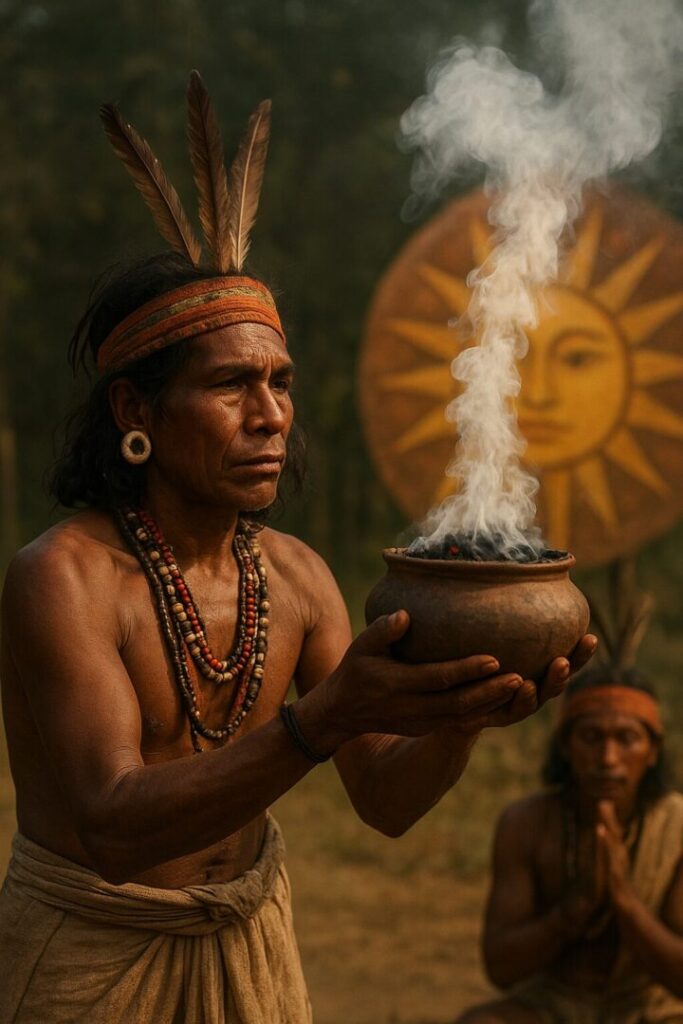
Light is very important to us, and we get this light from the sun. In Hinduism, people see the sun as a god. Tribal communities also worship the sun as a deity. They call their sun god Singbonga. For the Mundas, the sun is the supreme god.
Another name for Singboga is “Hadam.” Hadam is the god who created the universe, including the earth, sky, sun, moon, and humans. Hadam was tangible and had a physical form. The first man saw him. Singboga is regarded as an important deity for any tribal community.
Form and Significance
Singbonga is the sun god who brings light and energy to support life on Earth. He represents creation and protection, ensuring balance in nature and society. For tribal communities, nature is sacred. The Gond people believe that Singbonga gives all the powers of the world, making him the main protector of life. People often start festivals, rituals, and daily prayers by asking for Singbonga’s blessings for good health, safety, and prosperity.
In many villages, he is seen as the protector of farming, and his advice is sought before planting seeds or harvesting crops.
The Munda community has strong faith in their deity, Singbonga. They offer all their prayers to him. In Ranendra’s “The Disappearing Country,” there is a prayer to Singbonga: “O Singbonga! Devi Raja! Dirileka Kudmatem is the foundation of your creation. You bring order to the sky and ocean. You create everything, both living and non-living. You show your beauty in nature.
You are the first dawn and sunrise. Your purity rises like milk and settles like curd. You are the ruler of the universe. O Sirmaren Singbonga! Devi Raja! You are the father god of the Mundas; come to us. Be present everywhere and care for everyone. O Devi Raja! You are a friend and well-wisher of the Mundas.”
Temples and Sacred Sites
Unlike typical urban temples, the sacred sites of the Singbonga are often open-air temples located near forests, hills, or rivers, highlighting the tribe’s strong connection to nature. In parts of Jharkhand, Chhattisgarh, and Madhya Pradesh, villages preserve sacred bushes called saranas, where the deity is worshipped through ancient rituals.
These bushes are carefully maintained, as it is believed that the Singbonga himself resides in them. In some areas, black stones or naturally shaped rocks serve as his representation, emphasizing the Gond belief in the divine presence of natural elements rather than in man-made structures.
Offerings and Rituals
People show their devotion to Singbonga by offering fruits, rice, flowers, and traditional tribal liquor. These offerings reflect their respect for nature. On special occasions, they also make animal sacrifices, like goats or chickens, following tribal customs. Community gatherings play an important role in their worship.
During these events, villagers perform drumming, singing, and traditional dances. Their rituals are tied to the agricultural calendar used by the tribe. They pray before sowing seeds, during the harvest, and at the start of the monsoon season, asking for blessings of prosperity, health, and protection from natural disasters.
Festivals and Special Occasions
The Singbonga is honored during Makar Sankranti, harvest festivals, and seasonal changes, marking important times in farming. Villages hold annual fairs called jatras, which mix spiritual traditions with cultural celebrations. During these events, the whole community comes together to perform religious rituals and folk dances. This shared experience strengthens community bonds and spiritual beliefs.
These festivals celebrate the Singbonga and show the Gond tribe’s rich cultural heritage and respect for nature. They also help the younger generation learn about their sacred culture. Overall, the Singbonga represents the core of Gond spirituality. It connects faith, nature worship, and community unity. Its presence in Gond traditions highlights the tribe’s understanding of how life, energy, and the universe are all connected.
Preserving Tribal Faith: The Enduring Legacy of Kuldevi and Gram Devi
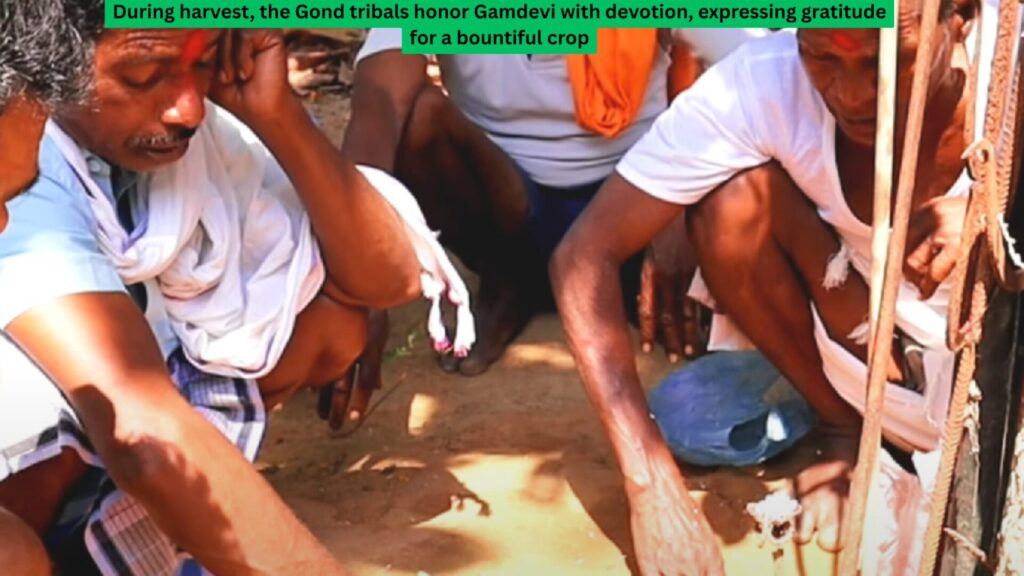
Tribal communities in India have long worshipped Kuldevi (family goddesses) and Gramdevi (village goddesses) as protectors of life, land, and heritage. These goddesses are not just spiritual figures; they represent the community’s identity, social bonds, and connection to nature. In places like Madhya Pradesh, Maharashtra, Gujarat, Jharkhand, and Assam, the worship of these deities remains an important part of tribal culture, traditions, and seasonal ceremonies.
Kuldevi and Gramdevi are way more important than just being figures we worship. They’re the guardians of villages and clans, called upon to keep people safe from sickness, bad luck, and natural disasters. Festivals, community fairs, and rituals honor these deities while also bringing everyone closer together. In many tribal communities, you’ll find sacred groves, hillocks, or forest temples that act as living places of worship. This approach highlights a spiritual connection to nature, instead of relying just on buildings. It shows how tribal traditions are all about sustainability and living in harmony with the environment.
In today’s fast-changing world, worshiping Kuldevi and Gramdevi is still important. It offers guidance, helps build moral values, and gives cultural identity to younger people. By keeping these traditions alive, tribal communities protect their spiritual heritage and their knowledge of nature, medicine, and social structure. Modern society can learn from this approach, which respects both the divine and the environment.
The Kuldevi and Gramdevi are tribal deities that represent resilience and unity. They show us that faith connected to culture and environment can greatly influence our lives. By preserving these traditions, we ensure that the wisdom of our ancestors inspires future generations.
FAQ
What is a Kuldevi?
A Kuldevi is a goddess revered by a family, tribe, or community to safeguard their lineage, health, prosperity, and heritage. She is seen as the protector of the family and its traditions.
Who are some famous tribal Kuldevis?
Kali Kankali Devi is worshipped by the Bhil and Wagadi tribes. Devmogra Mata is honored by the Bhil communities. Devalimadi Mata is revered among specific tribal clans in Gujarat and Madhya Pradesh.
Where are Kuldevis worshipped?
Kuldevis are frequently worshipped in sacred groves, hills, forests, riverbanks, or beneath large trees, highlighting the tribal connection to nature and spirituality.
What offerings are made to a Kuldevi?
Common offerings may consist of red cloth (known as chunari), coconuts, turmeric, vermilion, mahua flowers, rice, and traditional tribal liquor. In certain communities, animal sacrifices are conducted as part of special rituals.
Why is Kuldevi important in tribal culture?
A Kuldevi represents ancestral protection, spiritual guidance, and social unity. She preserves family traditions, ensures prosperity, and protects the community from evil forces.
Conclusion
Worshiping the Kula Devi is a significant part of life for tribal communities in India. This practice goes beyond religion; it reflects their rich culture and deep bond with nature. Goddesses like Kali Kankali Devi, Devamogra Mata, and Devlimadi Mata serve as protectors of families, clans, villages, crops, and the environment. Their presence in forests, sacred groves, hills, and riverbanks shows that tribal people believe divine energy is part of nature. This belief is key to their rituals and helps them maintain harmony with their surroundings, which is still important to their culture today.
Tribal communities celebrate these goddesses through festivals, seasonal rituals, and community gatherings. They express their devotion with folk songs, group dances, and traditional ceremonies. These events create strong social bonds and help pass down knowledge from one generation to the next, keeping their culture alive in a changing world. Understanding the worship of the Kula Devi teaches us about sustainable living, community unity, and the importance of respecting nature.
These goddesses symbolize resilience, protection, and guidance. They remind us that faith encompasses more than spirituality; it also includes social values and a concern for the environment. The ongoing devotion to the Kula Devi continues to inspire and unite tribal communities, representing their strength, culture, and harmony with life.
Your feedback means a lot to us.
If you have any questions, suggestions, or concerns, feel free to leave a comment below. We’re here to listen, grow, and improve together.
THANK YOU……………………….