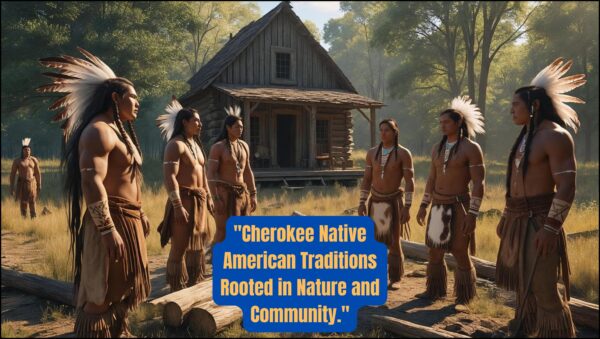
Meet the Cherokee: One of America’s Oldest Native Tribes
Offers a comprehensive analysis of the Cherokee Indian Tribes, exploring their origins, rich culture, social structure, interactions with European settlers, and the significant historical events that shaped their journey
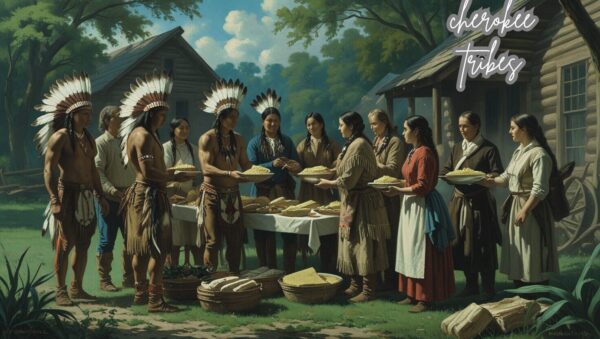
Origins and Migration of the Cherokee Indian Tribes
The Cherokee Indian Tribes are one of the most historically significant groups among Native American peoples. Their migration story spans centuries and regions. According to oral histories and linguistic evidence, the Cherokee may have originally traveled from what is now Texas or northern Mexico, making their way to the Great Lakes region in ancient times. Over generations, they eventually moved southward, settling in the Appalachian Mountains and surrounding valleys, where they developed a strong cultural identity.
Origins and Ancestors
Scholars offer two leading theories about the origins of the Cherokee. One holds that they arrived in the southern Appalachian region from the Great Lakes area during the late prehistoric period. This aligns with oral traditions recorded in the late 1800s by anthropologist James Mooney, who spent years living among the Cherokee.
According to these accounts, by 1500 BCE, the Cherokee had begun forming their distinct language. By around 1000 CE, they were living in permanent settlements and following a lifestyle that reflected the influence of the Mississippian culture—a sophisticated, mound-building society in the southeastern United States.
Linguistic and Cultural Connections
Modern linguistic studies further support the idea that the Cherokee language belongs to the Iroquoian language family, which connects them to tribes in the north. This supports the theory of northern origins. Over time, as the Cherokee adapted to their new environment in the Southeast, they blended elements of local traditions with their own, becoming one of the most distinct and resilient groups within the broader context of Native American tribes.
Is the Cherokee a Native American Tribe?
Yes, the Cherokee are undoubtedly one of the most prominent and historically significant Native American tribes in the United States. As part of the Indigenous peoples of North America, they boast a rich cultural, linguistic, and spiritual heritage that has thrived for thousands of years.
Cultural and Historical Identity:
The Cherokee are one of the “Five Civilised Tribes,” a term used by European settlers to describe tribes that embraced some colonial practices like written language and building styles. Even with modern changes, the Cherokee have kept their unique traditions, including oral storytelling, clan systems, and sacred ceremonies.
Their ancestors lived in permanent villages throughout the southeastern United States, especially in areas that are now North Carolina, Georgia, Tennessee, and Alabama. They farmed the land and created political systems, all before European explorers arrived.
Dialect (language) and ancestry:
Language and dialect play a vital role in shaping tribal identity and cultural continuity. The Cherokee language, which belongs to the Iroquoian language family, connects the Cherokee to other Native American tribes from the Great Lakes and northeastern regions.
This linguistic link, along with Cherokee oral traditions, supports the theory that the Cherokee Indian Tribes migrated southward over time. Eventually, they established themselves as a distinct Native American tribe in the southern Appalachian Mountains, where they developed a unique culture and identity.
Living the Lifestyle: Cherokee Ways of Life:
For the Cherokee Indian tribes, the meaning of life was more important than just survival. They lived in villages where they had many comforts and a strong connection to their land, traditions, and community. Their economy mainly relied on farming, growing crops like corn, squash, sunflowers, and tobacco.
The Cherokee were also skilled hunters. They used bows and arrows to hunt larger animals like deer, bears, and elk, while smaller game like raccoons, rabbits, squirrels, and turkeys were caught with long cane poles. They also foraged for wild plants to supplement their diets. Even today, many Cherokee people maintain a lifestyle that honours their language, crafts, spiritual beliefs, and ancestral knowledge, showing the strength and continuity of their identity as a Native American tribe.
Why are the Cherokee Tribe called the Cherokee Indian Tribe?
Cherokee tribes consist of various groups, including the modern-day “Cherokee Nation,” “Eastern Band of Cherokee Indians,” and “United Keetoowah Band.”Today, we refer to them as “Cherokee Indian Tribes” because of their rich history and cultural significance.
The reason is,
Historical Classification: When European settlers and later American governments explored and identified Native American communities, they labelled all tribes as “Indian Tribes” This classification happened regardless of whether the tribes had any connection to India. The term “Indian Tribes” refers to Native American tribes that the U.S. government officially recognises.
Who Was the Chief of the Cherokee Tribe?
Throughout the long history of the Cherokee tribe, many influential chiefs have emerged. Here are some of the most notable leaders. Let me provide a bit of background on them.
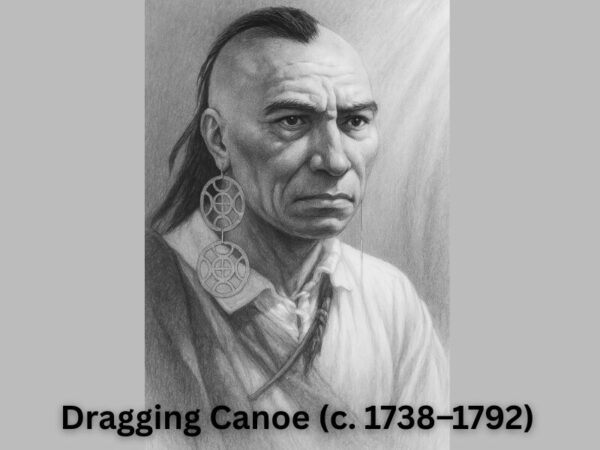
A strong warrior and leader who opposed the government’s decision to seize citizens’ land.Lead the Chickamauga Cherokee, a group that broke away from the main Cherokee Nation and fought against U.S. expansion. He is remembered as one of the fiercest defenders of Cherokee land.
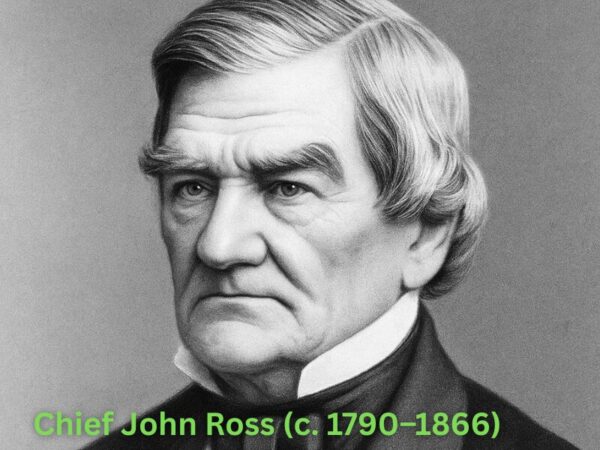
The most famous and popular chief of the Cherokee Nation at the time. The event took place in 1838, during the presidency of Martin Van Buren, but began with Andrew Jackson’s Indian Removal Act of 1830.
The Trail of Tears was a tragic event in American history when the Cherokee people were forced to leave their homes and move to the “Indian Territory,” now Oklahoma. This event is considered one of the darkest in history. Out of around 16,000 Cherokee individuals displaced, 4,000 to 6,000 died on the journey. A leader stepped up during this time and became the chief.
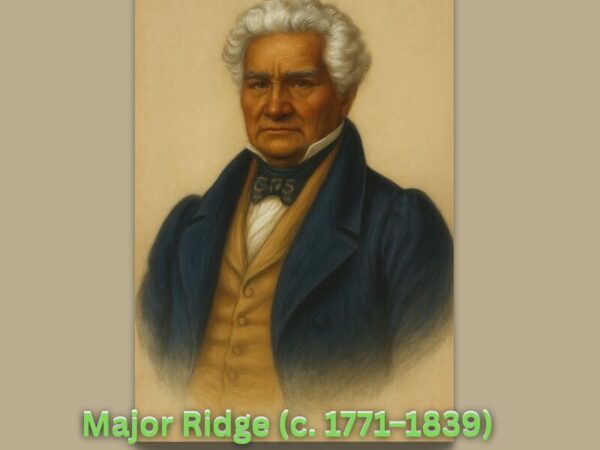
A prominent Cherokee leader and member of the Treaty Party.Signed the controversial Treaty of New Echota (1835), which led to the trail of Tears. He believed that this removal was inevitable and attempted to negotiate the best terms. But the outcome was against him, and he was eventually murdered by the Cherokee community, who opposed the treaty.

First female chief elected as Principal Chief of the Cherokee Nation (1985-1995).Focused on improving healthcare, education, and tribal self-government.Widely respected and honoured, including receiving the Presidential Medal of Freedom. read more Wilma Mankiller – Wikipedia
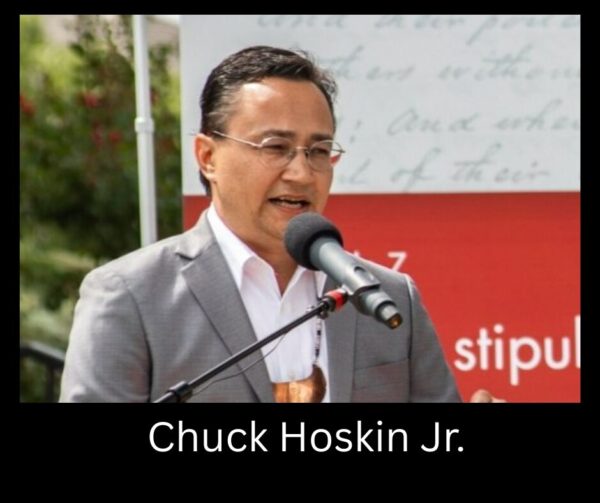
Chuck Hoskin Jr. (born February 7, 1975) has been the 8th Principal Chief of the Cherokee Nation since August 2019 and was re-elected in June 2023 with nearly 63% of the vote.
Chuck Hoskin Jr. is an inspiring leader who is deeply committed to fostering economic development, promoting social equity, revitalising cultural traditions, and protecting tribal resources. His passion for these causes reflects his dedication to enhancing the well-being of his community and preserving its heritage.
Cherokee Indian Tribes and Their Timeless Traditional Attire
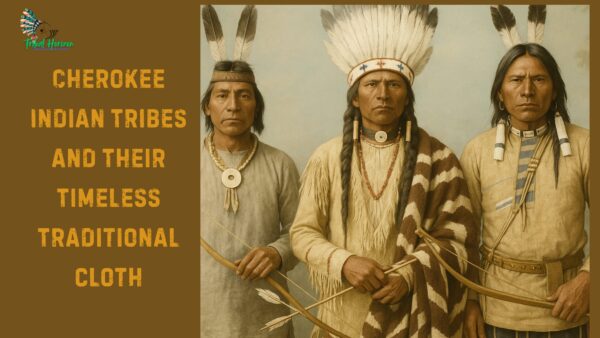
Before Europeans arrived, Native American clothing varied by tribe and climate, primarily made from animal skins obtained from hunted animals. The Cherokee and Iroquois used deer skins, Plains Indians used buffalo skins, and the Inuit used seal or caribou skins. Some tribes, like the Navajo and Apache, also learned to weave textiles.
Clothing was handmade, with women typically responsible for the process. They tanned the animal skins to create durable leather, then cut and sewed them into garments. Decorations often included feathers from animals such as rabbits and porcupines.
Native American men typically wore breeches, tied at the waist, and leggings in colder climates. They often wore short coats, with heavier coats reserved for harsh weather. Plains Indian men were known for their ornate war shirts. Women generally wore skirts and leggings, sometimes paired with shirts or tunics. Some tribes like the Cherokee and Apache wore long buckskin dresses.
Most Native Americans wore moccasins, while those in colder regions, like Alaska, opted for thick boots. Beads made from shells and bones decorated clothing, and later, glass beads were introduced. Plains Indians occasionally wore bone breastplates for armour. The common headdress was called a roach, made from stiff porcupine hair, and elaborate clothing was often featured in religious ceremonies.
Where Do the Cherokee Indian Tribes Live Today?
The Cherokee people are one of the largest Native American tribes in the United States, with a rich history rooted in the southeastern states of Georgia, North Carolina, South Carolina, Tennessee, and Alabama. In 1838, the U.S. government forcibly relocated them westward in a tragic event known as the Trail of Tears. I have provided a detailed explanation of this significant event above.Currently, the area of the Cheroti tribe is visible on the map.

Today, many Cherokee Indian Tribes are primarily located in Oklahoma and North Carolina, though Cherokee people live across the United States. Despite the challenges of relocation and dispersal, they have impressively preserved a strong cultural identity, rich in traditions, language, and community-based governance. This deep-rooted commitment to heritage serves as a powerful reminder of their resilience, unity, and pride in their origins. The Cherokee story is not just one of survival but of thriving while staying true to who they are.
FAQ
What is something most people get wrong about the Cherokee tribes?
Many people think the Cherokee tribe was nomadic, but before European contact, they had established permanent villages, sophisticated political systems, and even a written constitution.
What are the blood quantum rules of the Cherokee Indian Tribe and do they still matter today?
Most federally recognised groups within the Cherokee Indian Tribe, such as the Cherokee Nation and the Eastern Band of Cherokee Indians, do not impose a specific blood quantum requirement for tribal enrollment.
What does “Two-Spirit” mean in the context of the Cherokee Indian Tribe?
“Two-Spirit” is a term for individuals in Native American communities who embody both masculine and feminine qualities. In the Cherokee Tribe, they were respected as healers and leaders for their balanced perspectives.
What language does the Cherokee Indian Tribe speak?
The Cherokee speak Tsalagi (ᏣᎳᎩ) and have a written syllabary developed by Sequoyah in the 1800s.
What is the current status of the Cherokee Indian Tribe?
The Cherokee Indian Tribe includes three groups: Cherokee Nation, Eastern Band, and United Keetoowah Band, each with its own government and culture preservation programs.
Conclusion
The story of the Cherokee Indian Tribes is not merely a tale of survival; it is a living testament to wisdom, resilience, and cultural richness. From ancient practices and sacred religious rituals to contemporary efforts in language revival and the pursuit of sovereignty, the Cherokee people continue to navigate a path that connects their past with the present.
In a world losing touch with its roots, the Cherokee Indian Tribes exemplify the importance of living in harmony with the land, honouring spiritual balance, and fostering community bonds. Their journey, marked by resilience and strength, represents the essence of Indigenous America.
I aimed to provide a clearer understanding of the Cherokee Indian Tribe. If you have any specific information I may have overlooked, please let me know in the comments. In free to share your feedback. If you have any issues or any kind of questions, you can comment below. Thank u…
Wow that was odd. I just wrote an very long comment but after I clicked submit my comment didn’t appear. Grrrr… well I’m not writing all that over again. Anyway, just wanted to say fantastic blog!
thank you very much
Magnificent goods from you, man. I have understand your stuff previous to
and you are just too magnificent. I really like
what you have acquired here, really like what you’re saying and the
way in which you say it. You make it entertaining and you still take care of to
keep it sensible. I can’t wait to read much more from you.
This is actually a wonderful site.
thank you veru much.thank you thank you thank you
I’d like to thank you for the efforts you have put in writing this site.
I’m hoping to see the same high-grade content from you
later on as well. In fact, your creative writing abilities has inspired me to get
my own, personal blog now 😉
thank you very much.thank you thank you thank you