
The Bhil tribes of India are recognized for their historical legacy as skilled archers and their contemporary role as custodians of cultural heritage. They actively celebrate their distinct dialects and festivals, preserve oral traditions, and foster a sustainable relationship with the forests and rivers that surround them.
This commitment to their environment and heritage positions them among the oldest and largest tribal communities in the country. Furthermore, their customs and traditions provide valuable insights into the complexities of casteism within their society.
History of Bhil Tribes: Tracing Their Origin From Arrows to Ancestral Lands
Historically recognized as the fearless archers of ancient India, the Bhil tribes have evolved into one of the largest tribal communities in the country. Their rich history is intricately linked to the forests, rivers, and ancestral knowledge, deeply rooted in a profound spirituality that reveres nature.
The origins of the Bhil community can be traced through a combination of myths, legends, and historical documentation. This enduring narrative highlights their resilience, survival, and a strong sense of cultural pride that continues to define the Bhils today. Our exploration aims to deepen our understanding of their heritage and contemporary existence.
Early Origins of Bhil Tribes
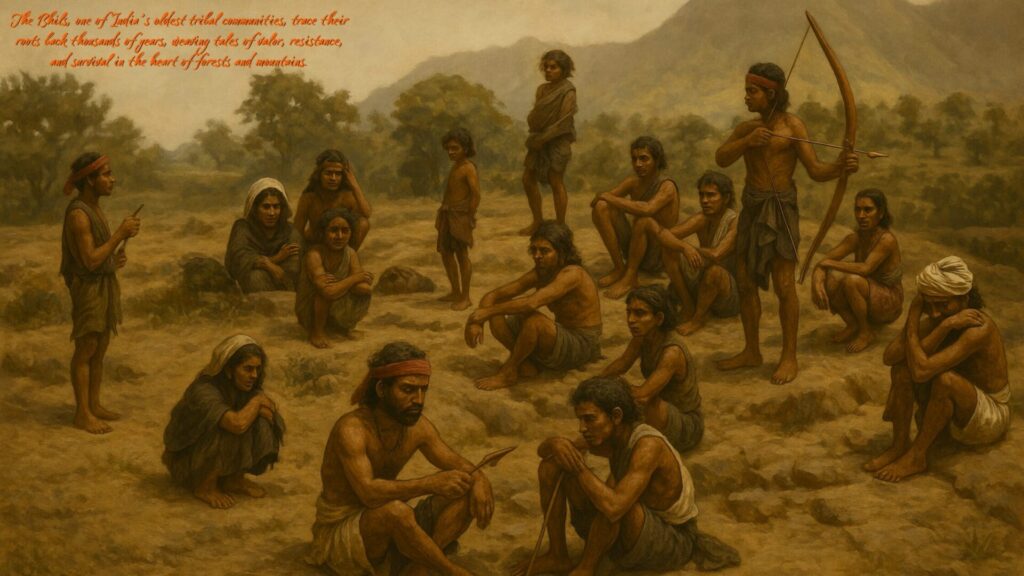
The Bhil tribes are recognised as one of the oldest indigenous groups in the Indian subcontinent, with origins dating back thousands of years before recorded history. Ancient legends associate them with the diverse forests and hills of central and western India, where they traditionally practised skilled hunting, gathering, and archery. Some historians suggest a connection between their ancestors and pre Aryan populations, positing that the Bhils were among the earliest settlers who contributed significantly to the development of tribal culture in India before the emergence of various kingdoms.
Furthermore, mythology often references their presence in the epics of the Mahabharata and Ramayana, where Bhil characters are depicted as assisting divine heroes, highlighting their recognition in sacred narratives. Over time, their identity has become closely associated with the lands they have lived in and protected. The natural features of rivers, mountains, and forests underscore their role not only as inhabitants but also as early guardians of the land. According to mythological accounts, it is suggested that the arrow that struck the foot of Lord Krishna, leading to his eventual salvation, belonged to a member of the Bhil tribe, underscoring their historical significance.
How the Word “Bhil” Originated
The word “Bhil” is closely tied to the identity of the Bhil people and comes from ancient Indian languages. Scholars often connect it to the Dravidian word “Billu” or “Billuva,” which means “bow.” This reflects the Bhils’ well known skill in archery.
Bows and arrows were not just tools for hunting; they also symbolised protection and survival. Because of this, the name “Bhil” has become an important part of their culture.
When people hear the word “Bhil” or “tribal,” they often think of bows and arrows. For many years, this term has appeared in Sanskrit texts, inscriptions, and regional records, where it describes the Bhils as “bowmen of the forests.” Today, the name “Bhil” still represents their strong connection to the forests, their role as protectors of the land and water, and their unique cultural identity.
Bhil Tribes in Ancient India
The Bhil tribes are recognised as one of the earliest tribal communities in ancient India, with their presence documented in inscriptions, folklore, and historical accounts. They are celebrated for their exceptional proficiency with the bow and arrow, earning them the designation of fearless “forest warriors” who protected rivers, valleys, and hills before the expansion of cities and kingdoms into their territories. Notably, in the epic Mahabharata, Eklavya is portrayed as a member of the Bhil tribe and is thought to have possessed archery skills surpassing those of Arjuna.
References to the Bhil tribes can be found in early Sanskrit texts, which describe them as guardians of the forests and natural guides for travellers and rulers alike. Throughout the emergence of significant dynasties such as the Maurya and Gupta, the Bhil tribes preserved their independence, fostering a culture that predates many of these kingdoms and exemplifying a harmonious relationship with nature. Their existence has been noteworthy through various historical periods, from the origins of humanity to the pre-Christian era. The resilience, archery expertise, and profound connection to their land have established the Bhil tribes as an integral part of the historical landscape of India.
Bhil Tribes Through Medieval and Colonial Eras From Silent Forest Guardians to Fierce Resisters
The Bhil tribes were once quite protectors of the forests. They became strong fighters during medieval and colonial India, aiding Rajput rulers, resisting Mughal expansion, and opposing British rule. Their story reflects bravery, strength, and a deep connection to their land. It is a tale of survival and pride.
Bhil Tribes in Medieval India
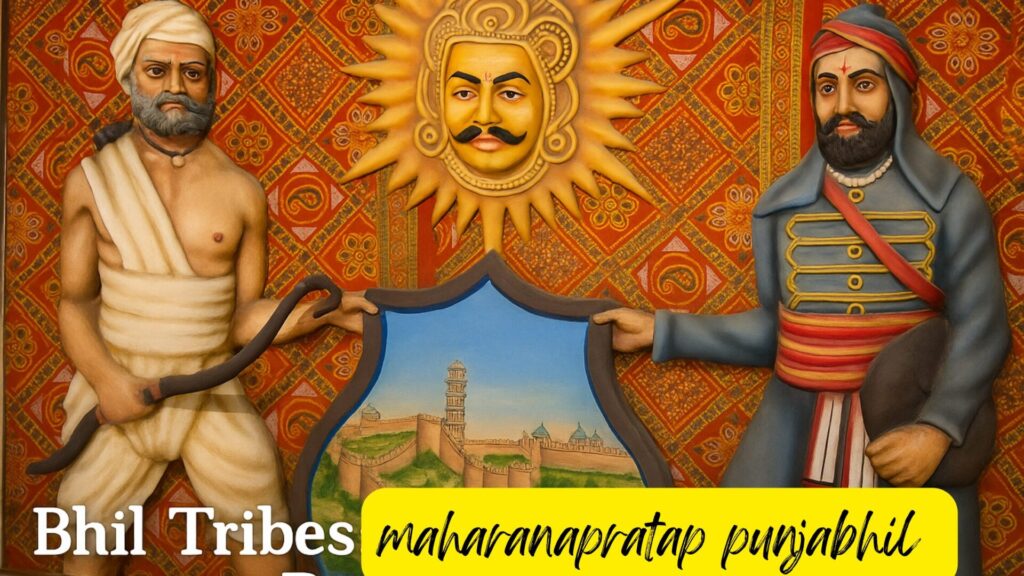
In medieval India, the Bhil tribes were skilled naturalists and played a key role in local power struggles and alliances. Their excellent archery skills and knowledge of the forests made them strong warriors and helpful allies. The Bhils have been allies throughout history, including in the Middle Ages. Many Rajput rulers, like legend Maharana Pratap, depended on the Bhils as guides and scouts, especially for protecting mountain passes. Oral traditions tell us that the Bhils supported Maharana Pratap during his fight against the Mughals in the Aravalli hills.
While powerful kingdoms rose and fell, the Bhil tribes remained independent through guerrilla warfare and forest survival skills. The Adivasi have a history of rejecting slavery and living by nature’s laws. Medieval records and folk tales show them fiercely protecting their forests and resisting outside control, even when empires like the Mughals tried to conquer them. For the Bhil, the medieval era was about protecting their land, culture, and freedom.
Their strength during this time laid the groundwork for the violent rebellions they later fought against colonial rule.
Bhil Tribes Under Mughal Rule
The Bhil tribes had a mixed role during Mughal rule, acting as both allies and opponents. Their skills in archery and guerrilla warfare made them valuable, yet dangerous when provoked. Mughal rulers tried to control the Bhils, but dense forests and mountains helped them remain independent.
The tribes believe that following nature’s laws will bring support from it. Often, the Bhils served as scouts and guides for Mughal campaigns in central and western India. However, they also launched surprise attacks to defend their land from Mughal forces. This illustrates their importance and strong desire to protect their freedom and natural resources, a concern they still hold today.
Bhil Tribes During the Colonial Era
The Bhil tribes faced serious challenges during the colonial era that changed their way of life. The British confiscated their forests, which were vital for food and livelihood, and limited their rights to hunt and gather, leading to poverty and unrest. This unfair treatment sparked the Bhil rebellions in the early 19th century, including the Bhil Rebellion from 1818 to 1831.
The tribes fought against harsh policies and the loss of ancestral lands, using guerrilla tactics and their knowledge of the forests to resist British rule. Despite severe repression, the Bhils continued to fight in small groups. Their struggles were against both foreign rulers and the social systems that marginalized them. In the late 19th and early 20th centuries, Bhil leaders linked their resistance to the broader Indian independence movement, keeping their spirit of defiance alive.
Uprisings and Freedom Struggle
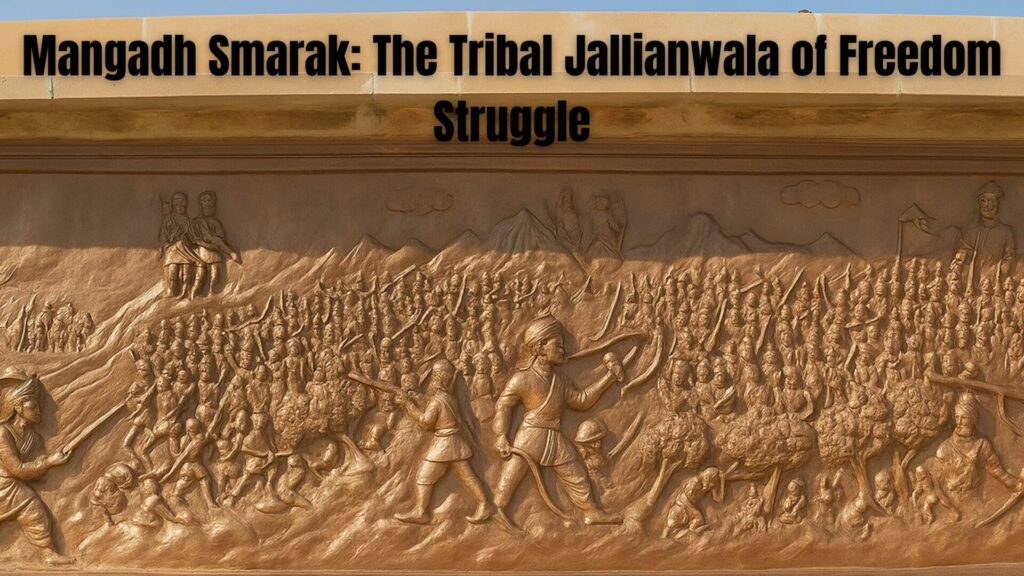
The Bhil tribes significantly impacted India’s fight for freedom through their bravery. After years of mistreatment from colonial policies, they fought to protect their ancestral land. The Bhil Rebellion from 1818 to 1831 surprised British authorities, as the tribes used guerrilla tactics in their jungle terrain. In the early 20th century, Govind Guru, a social reformer, inspired the Bhils to unite against injustice.
His movement led to the Mangarh massacre in 1913, where British forces killed thousands of Bhils. This event is often called the “Jallianwala Bagh of the tribals” and is seen as even more brutal than Jallianwala Bagh. Later, the Bhil tribes actively supported the broader Indian freedom struggle, showing resilience and unity. Their battles were for dignity, survival, and recognition in a changing India.
Cultural Continuity and Legacy of Bhil Tribes Keeping Ancestral Roots Alive
The Bhil tribes have worked hard for centuries to keep their culture alive. Their heritage is rich and colourful, deeply connected to the forests, rivers, and fields where they live. They have a strong bond with nature and respect the wisdom of their ancestors. The Bhils see water, genes, the sky, the sun (fire), and climate as important parts of nature. Through vibrant festivals and oral stories, they maintain their identity and keep their traditions strong, even in modern India.
Traditional Lifestyle of Bhil Tribes Living Close to Nature
The Bhil tribes have a traditional lifestyle that is closely linked to the forests, rivers, and farmland around them. They are skilled farmers, hunters, and gatherers who live in harmony with nature, depending on it for food, shelter, and rituals, as well as customs like caste traditions.
Their homes are made from mud, bamboo, and straw, reflecting an eco-friendly way of living and a strong connection to nature. Even today, many Bhil communities follow the traditions of their ancestors and keep alive knowledge that modern society often overlooks. This connection to their culture is important and a source of pride for the Bhil people.
Festivals and Rituals The Spiritual Pulse of Bhil Culture
Festivals and rituals are very important to the Bhil community. They bring together spirituality, nature, and people. The Bhils celebrate their festivals to show gratitude to the forests, rivers, and gods. These celebrations honor nature and the animals and resources that support their daily lives. Colourful events like Bhagoriya, Gawari, and Holi are more than just festivals; they represent identity, unity, and joy. Through these rituals, the Bhils keep their ancient traditions alive. They pass these customs down from generation to generation.
Bhagoria Festival A Colourful Celebration of Love and Freedom
The Bhagoriya festival is a lively celebration of the Bhil tribe that shows cultural joy and youthful freedom. It takes place before Holi and features colorful fairs where young men and women choose their life partners based on love and equality. Elders have organized these fairs for many years in the states where the Bhils live, including Rajasthan, Gujarat, Maharashtra, and Madhya Pradesh. The festivals are filled with dance, music, and natural colors, making them both a celebration and a unique tradition. The Bhagoriya festival highlights the strong sense of community, freedom, and cultural pride of the Bhil people.
Marriage Rituals, Songs, Dance, and Sacred Customs of Bhils
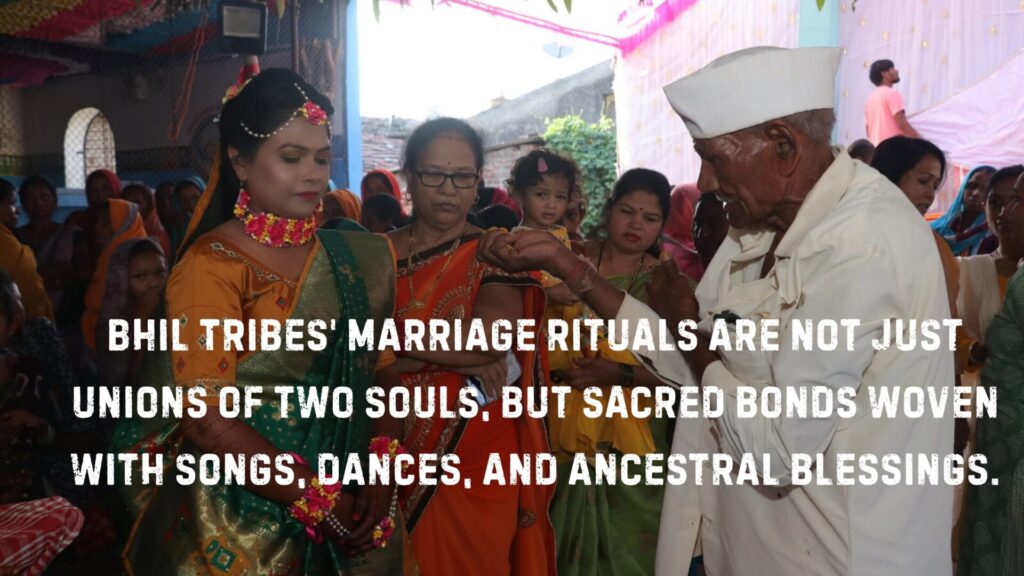
Weddings among the Bhil tribes are vibrant cultural celebrations that follow their caste customs. They feature folk songs, energetic dances, and traditional rituals that strengthen community ties. Important rituals include bow-and-arrow ceremonies, blessings from elders, and offerings to the gods. Music and dancing continue throughout the night, making weddings joyful events. These customs help the Bhils honour their ancestors’ values while celebrating love and unity. Nature’s blessings are also part of the wedding ceremony. For example, the mandap is decorated with fresh leaves from sacred trees to ensure the couple’s safety.
Baneshwar Fair a Sacred Gathering of Bhils
Baneshwar Mela, known as the “Kumbh Mela of the Bhils,” is a 500-year-old fair based on faith and celebration. It takes place at the meeting point of the Som and Mahi rivers and honours Lord Shambhu Mahadev and local gods. Every year, thousands of Bhil people come together for religious rituals, folk dances, music, and trade. Besides being a spiritual event, the fair connects Bhil communities from Rajasthan, Madhya Pradesh, and Gujarat.
Art, Music, and Dance of Bhil Tribes Voices of Identity and Tradition
When Bhil Tribes Dance, Tradition Finds Its Voice
Art, music, and dance are the vibrant heartbeat of the Bhil tribes, intricately woven into the fabric of their daily lives and cultural identity, and passed down through generations with reverence and passion. Through these creative expressions, the Bhils convey their rich stories, profound struggles, and joyful celebrations, each form a testament to their resilience and spirit. Renowned for their striking wall paintings, which often depict scenes of nature and mythology using bold colors and intricate patterns, the Bhils bring their surroundings to life.
Their rhythmic folk music, characterized by the use of traditional instruments like the dhol and harmonium, echoes the sounds of their lives, while their dynamic dances, often performed during harvest festivals and community gatherings, showcase their energy and unity. Rooted in ancient traditions, their art shines brightest during festivals such as the Bhagoria Haat, where vibrant performances and colorful attire create a spectacle of culture.
Religious rituals and social gatherings serve as platforms for performance, where ancestral stories are retold in captivating ways, weaving together the past and present, and where community bonds are strengthened through shared experiences. Through these powerful art forms, the Bhils not only preserve their unique identity and cultural heritage but also keep their cherished traditions alive for future generations, inspiring a deeper appreciation for their contributions to the rich tapestry of human culture.
Livelihood and Daily Life of Bhil Tribes Farming, Forests, and Food Traditions
The Bhil tribes rely on forests, farmland, and traditional knowledge for their daily lives. They have a strong connection to the land. Their main job is farming, growing crops like maize, wheat, rice, sorghum, and pulses to feed their families. They keep their food pure and nutritious by not using chemicals on the land, which they see as their mother. Besides farming, they gather fruits, honey, medicinal plants, and vegetable tubers from the forest.
Although hunting and gathering used to be vital, these activities still hold cultural importance. Their meals are simple, healthy, and often shared with others. This way of life shows how they see nature as both a provider and a protector.
Agriculture and Farming Practices of the Bhil Tribes
Agriculture has long been the backbone of the Bhil tribes, shaping their livelihoods and cultural rhythms. They have maintained their traditional agricultural practices, which include shifting cultivation and rainfed farming. The Bhils typically grow maize, wheat, pulses, and coarse grains that are well-suited to local conditions.
Over time, many Bhil communities have transitioned to settled agriculture; however, they still rely heavily on natural cycles. Festivals often coincide with the sowing and harvesting seasons, illustrating that farming is not merely a profession for them, but a spiritual connection to the land. During each festival, the clan expresses gratitude to their deity by offering dhan.
Hunting, Gathering, and Forest Dependency
For centuries, hunting and gathering have been key parts of the Bhil tribe’s life and culture. The forests provide fruits, tubers, honey, medicinal plants, and firewood. The tribe also hunts and fishes for small animals to add to their diet. The forests give them tools, shelter, and materials for spiritual rituals. Even though modern rules limit hunting, the Bhil people still rely on the forest, showing their close relationship with nature and their knowledge of biodiversity. The Bhil community highly values their ancestors, believing that they give strength and guidance.
Food Habits and Traditional Cuisine of Bhil Tribes
The dietary practices of the Bhil tribe exemplify a commitment to simplicity, nutritional integrity, and a profound connection to nature. Their traditional cuisine is founded on locally sourced grains such as maize, wheat, and millet, which are typically prepared as rotis or dal. In recent times, the use of wheat has become more common. In addition to grains, the Bhil diet is enriched with forest products, including wild fruits, leafy vegetables, and honey. Occasionally, meat or fish is included to provide dietary variety.
Furthermore, during festivals, the consumption of fermented beverages and locally brewed Mahua liquor reflects the cultural significance of food within their community. For the Bhil people, food serves a dual purpose: it provides essential nutrition while also fostering community bonds and preserving traditional practices. They place a higher value on simple, wholesome meals over more elaborate culinary offerings.
The Lasting Legacy of Bhil Tribes Lessons for Modern India
The Bhil tribes have a long history and rich culture that show India’s diverse roots. They started as warriors and freedom fighters and now protect forests and traditions. This journey has created a strong and united identity. In today’s world, where many traditions fade away, the Bhils remind us of the importance of community, respect for nature, and listening to our ancestors. Their story is not just about survival; it is about preserving a legacy that shapes India’s cultural identity.
FAQ
Who are the Bhil Tribes in India?
The Bhils are one of the largest tribal communities in India, found in states such as Rajasthan, Gujarat, Madhya Pradesh, and Maharashtra. They are renowned for their outstanding archery skills, vibrant festivals, and strong connection to forests and agriculture.
What is the origin of the word ‘Bhil’?
The very name Bhil is thought to echo the Dravidian word “billu” or “billuwa,” meaning bow, an apt reflection of their legendary mastery in archery. Far more than a weapon, the bow became a symbol of survival, resistance, and cultural pride for the Bhils, etching their identity into the history of India’s tribal heritage.
What are the main festivals of Bhil Tribes?
Major Bhil festivals include Bhagoria, the Baneshwar Fair, Gavari, and unique tribal versions of Holi and Navratri. These festivals combine spirituality, dance, music, and strengthen community bonds.
How do Bhil Tribes earn their livelihood?
Historically, the Bhils relied on farming, hunting, and gathering from the forest. Agriculture continues to be central to their livelihoods, with key crops including maize, wheat, and pulses, while forest produce enhances both their income and diet.
What is the cultural significance of Bhil art?
Bhil art, especially wall paintings and vibrant dot-patterns, narrates stories of gods, ancestors, animals, and nature. It is both a spiritual expression and a way of preserving their history through visuals.
Conclusion
The Bhil tribes have a story that goes beyond history; it is about their resilience, culture, and wisdom from their ancestors. The Bhils have been fearless archers in ancient India and have protected forests and traditions. They have maintained their heritage for centuries. Their folk songs, languages, festivals, and customs show us that true strength comes from harmony with community and nature.
In today’s fast-changing world, the Bhils remind us that identity is about more than just being alive; it’s also about respecting the roots that connect us to our humanity. There is much more to learn about the Bhil tribe. In the next section, we will explore their culture and history in detail.
Your feedback means a lot to us.
If you have any questions, suggestions, or concerns feel free to leave a comment below.We’re here to listen, grow, and improve together.
Thank you for being a part of this journey.