
Kerala tribes are among the oldest communities in South India, known for their rich history, unique traditions, and strong bond with nature. Tribals in India and around the world value nature before community, believing that nature gives energy and life. Each tribe, such as the Paniya, Kurumba, Kurichiya, and Kadar, has its own lifestyle, religious practices, and festivals. Their culture, art, and beliefs highlight Kerala’s diverse heritage and preserve ancient tribal knowledge.
Exploring the history, culture, lifestyle, and festivals of the tribal communities in Kerala shows how these ancient groups have adapted to modern life while keeping their unique identities. They face challenges from modernization and social change, but they continue to uphold their traditional values, religious practices, and strong ties to nature.
Each tribal community cares deeply about its culture and works to preserve it. Their art, music, and festivals highlight not only the cultural diversity of Kerala but also the strength and wisdom of their heritage.
7 Major Tribes of Kerala
The Kerala tribes have a rich cultural heritage, each with its own traditions and way of life. Tribal Communities like the Paniya, Kurumba, Kurichiya, and Kadar preserve their ancestral knowledge, festivals, and rituals. This reflects their deep connection to nature and contributes to Kerala’s diverse heritage. Let’s explore more about these major tribes.
Kerala is home to 36 officially recognized tribes, with a total population of 484,839, based on the 2011 Census. Each tribe, such as the Paniya, Kurumba, Kurichiya, and Kadar, has its own traditions, festivals, and way of life. These practices show their strong connection to nature and add to Kerala’s rich and diverse culture.
1.Paniya Tribe
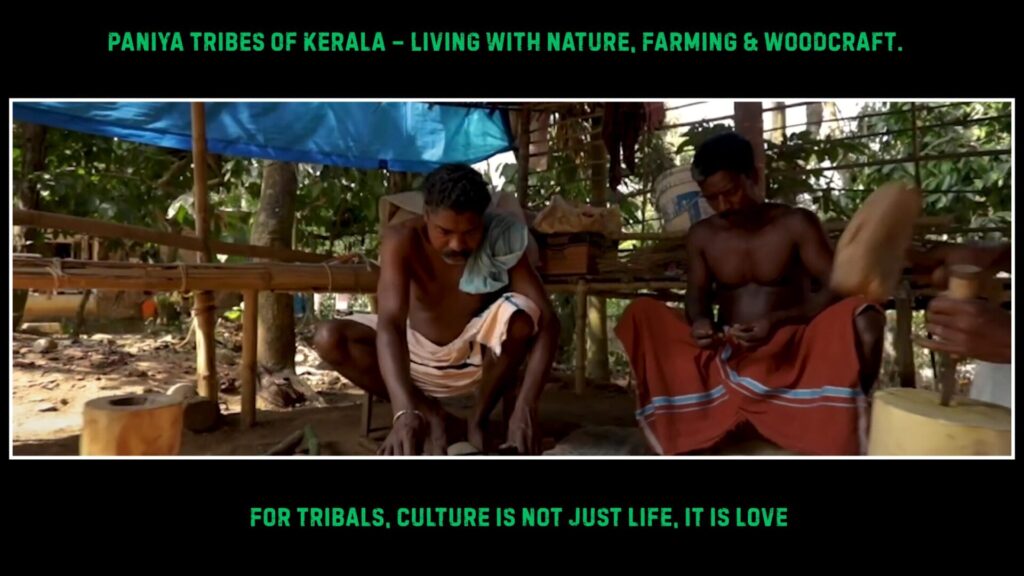
The Paniya tribe is one of the major Kerala tribes, residing primarily in the Wayanad and Malabar regions. They have a strong bond with nature and have preserved their unique traditions, festivals, and knowledge of forest resources for many generations. Their simple lifestyle and farming skills reflect the rich culture of Kerala’s tribal people. The customs from their ancestors are still important today, and the younger members of the tribe are committed to preserving these traditions, which makes them proud.
Location & Population
The Paniyas mainly live in Wayanad, Malabar, and parts of Kannur and Kozhikode. They are one of the largest tribal groups in Kerala.
Lifestyle & Occupation
Traditionally, the Paniyas are agricultural and forest dwellers who cultivate rice, spices, and a variety of vegetables. Their daily lives are defined by community living and shared responsibilities, with the head of the family assuming full responsibility for the household. Apart from farming, they also depend on forest resources and use wooden items in their daily lifestyle, reflecting their deep bond with nature and sustainable living practices.
Traditions & Festivals
The Paniyas believe in nature-based customs and ancestor worship. They celebrate festivals that mark changes in crops and seasons. Their culture includes folk songs, group dances, and crafts, which are an important part of their identity.
Dialect
The Paniya tribe speaks the Paniya dialect and local Malayalam dialects. Their oral traditions, folklore, and folk songs are preserved in their mother tongue, contributing to the cultural richness of Kerala’s tribal communities.
Challenges & Preservation
Despite modernization and displacement, the Paniya tribe continues to uphold its cultural identity, traditional agricultural knowledge, and sustainable relationship with nature. Notably, this culture has been preserved to the present day.
2.Kurumba Tribe
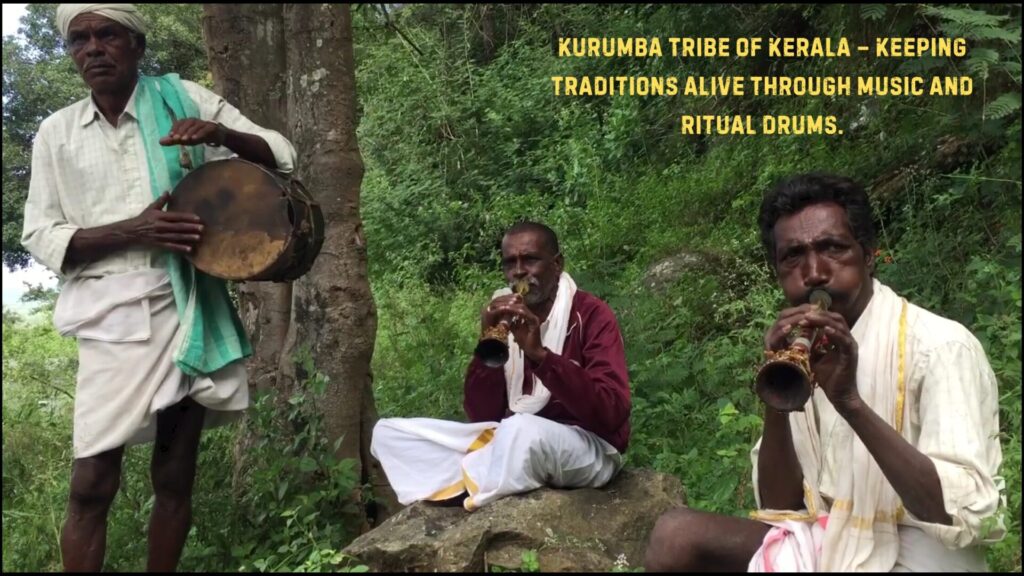
The Kurumba tribe represents an important demographic in Kerala, primarily inhabiting the Wayanad and Idukki regions. They are distinguished by their profound understanding of forest ecology and traditional Ayurvedic practices. The Kurumbas have successfully preserved their distinct customs, rituals, and festivals over the centuries. Their way of life illustrates a synergistic relationship with nature and underscores the rich diversity found among the various Kerala tribes.
Location & Population
The Kurumba community is predominantly found in the regions of Wayanad, Idukki, and parts of Malappuram. Although their population is smaller compared to other major tribes, they successfully preserve a distinct cultural identity that is significant to their heritage.
Lifestyle & Occupation
The Kurumbas live by farming, gathering forest products, and hunting. They use sustainable methods for these activities. Community living and working together are important to their way of life.
Traditions & Festivals
The Kurumba celebrate nature-based rituals, harvest festivals, and ancestor worship ceremonies. Folk songs, group folk dances, and traditional art forms play an important role in preserving their culture.
Dialect
The Kurumba tribe, one of the important Kerala tribes, speaks the Kurumba dialect, which belongs to the Dravidian family, along with regional Malayalam dialects. Oral traditions and folklore are preserved in their mother tongue, reflecting the cultural richness of Kerala tribes and contributing to the heritage of Kerala’s tribal communities.
Challenges & Preservation
Modernization, land encroachment, and migration create challenges for the Kurumba caste. Many tribal groups in India and around the world face similar issues with migration. Despite these challenges, the Kurumba work to keep their traditional knowledge, medicinal practices, and cultural heritage alive. These elements play an important role in shaping the identity of the castes in Kerala.
3.Kurichiya Tribe
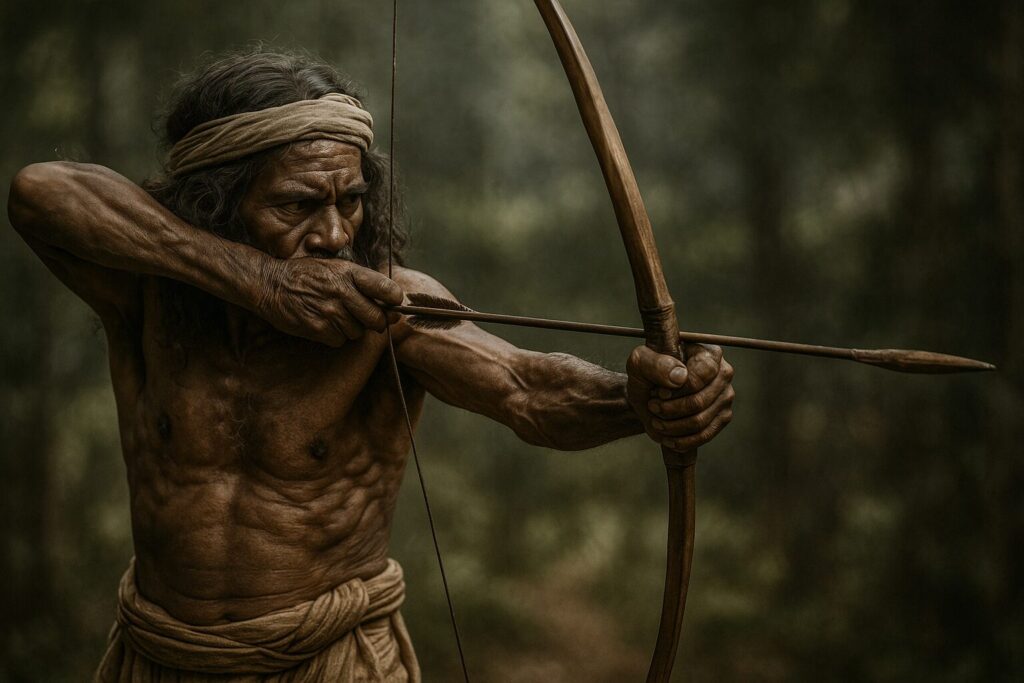
The Kurichiya tribe is one of the main tribes in Kerala, mainly living in the Wayanad region. They are known for their history as tribal warriors. The Kurichiyas have a rich cultural background that combines traditional fighting skills with important rituals and customs. They focus on living together as a community and have a close connection with nature, showing the diverse identity of the Kerala Tribes.
Location & Population
The Kurichiyas mainly live in Wayanad district, especially in the hilly and forested areas. They have a moderate population compared to other major tribes, but they are active and visible in their community.
Lifestyle & Occupation
The Kurichiya community is traditionally engaged in agricultural practices, terrace farming, and activities related to forest resources. Additionally, they are dedicated to the preservation of traditional martial arts, which were historically employed to ensure the protection of their communities. Furthermore, the role of community cooperation is paramount in their daily lives, fostering a strong sense of unity and collaborative effort.
Traditions & Festivals
The Kurichiya celebrate harvest festivals and nature worship rituals. They also hold ceremonies for their ancestors. Folk songs, dances, and traditional costumes are important to their culture. Their festivals include rituals to honour forest deities and ancestral spirits.
Dialect
The Kurichiya tribe speaks the Kurichiya dialect, which is closely related to Malayalam, and also speaks regional Malayalam dialects. Oral traditions, folk songs and stories have been preserved in their mother tongue, reflecting the cultural richness of the tribals of Kerala.
Challenges & Preservation
The Kurichiya tribe faces challenges from modernization, land conversion, and a lack of educational resources. Despite these issues, they keep their traditional knowledge and cultural practices alive. They also maintain sustainable lifestyles that greatly contribute to the heritage of Kerala tribes.
4.Kadar Tribe
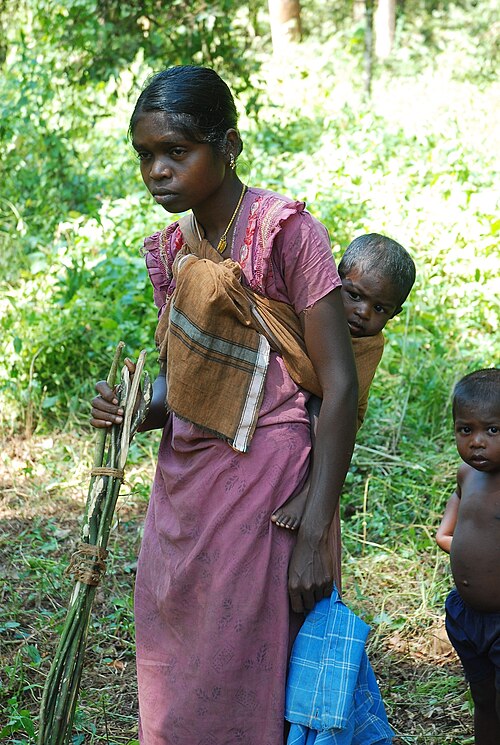
Licensed under: CC BY-SA 4.0
The Kadar tribe is an important group in Kerala. They mainly live in the forests of Wayanad and Idukki. The Kadars are well-known for their deep understanding of forest resources and their traditional hunting skills. They have kept a unique way of life that is closely linked to nature. Their customs and religious practices, such as marriage and death ceremonies, showcase the rich traditions of Kerala tribes.
Location & Population
Kadars primarily inhabit the Wayanad and Idukki districts, often residing in remote and forested areas. Their population is relatively small, but they preserve a distinct cultural identity among the tribes of Kerala.
Lifestyle & Occupation
The Kadar tribe collects food from forests, grows small crops, and hunts. They use sustainable methods to gather resources like sago and cardamom, showing their strong understanding of nature. Community life and helping each other are key parts of their way of living.
Traditions & Festivals
The Kadar people celebrate festivals and rituals that are connected to nature, especially the harvest and forest cycles. They use folk songs, group dances, and crafts to express their culture and share the knowledge of their ancestors. Group dances are important in their tribal society, as they help create a complete cultural experience.
Dialect
The Kadar tribe, one of the important Kerala tribes, speaks the Kadar language along with regional Malayalam dialects. Oral traditions and folklore are preserved in their mother tongue, reflecting the cultural richness of Kerala tribes and contributing to the heritage of Kerala’s tribal communities.
Challenges & Preservation
The Kadar tribe faces challenges from modernization, deforestation, and displacement. Despite these difficulties, they work hard to keep their traditional knowledge, rituals, and sustainable lifestyles. This helps them stay an important part of Kerala’s tribal communities.
5.Adiyan Tribe
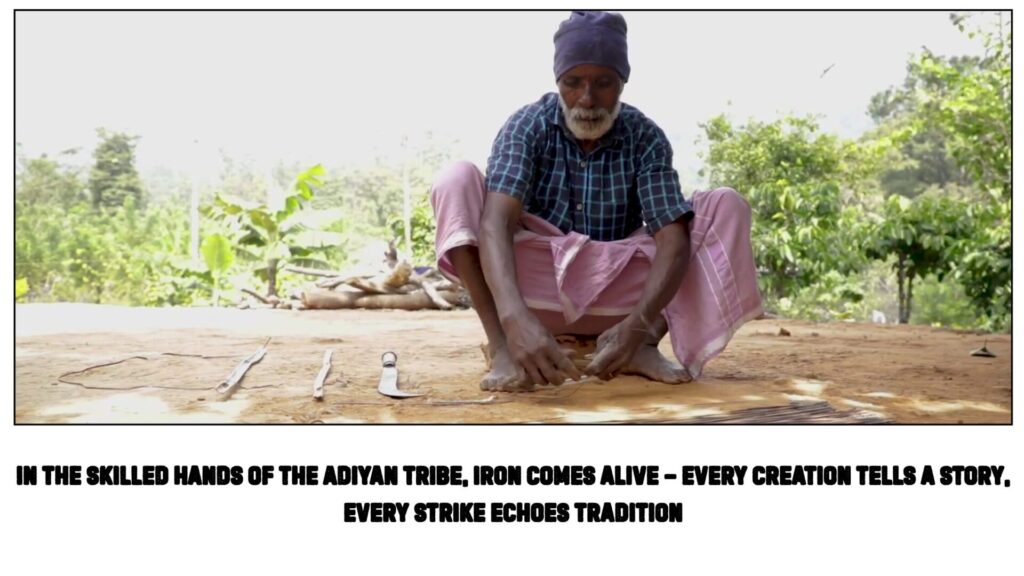
The Aadiya tribe is an important group in Kerala, mainly living in Wayanad and parts of Kannur. They are known for their farming skills and simple way of life. The Aadiyas have kept their cultural traditions, customs, and religious practices for many generations. Their daily lives show a close connection to nature and a strong sense of community.
Location & Population
The Adiya community is predominantly situated in the Wayanad and Kannur districts, along with adjacent regions. While their population is relatively smaller compared to other castes in Kerala, they play a crucial role in maintaining and promoting the tribal identity of the state. Unfortunately, there is currently no comprehensive census available for the Adiyas, and many individuals within this community continue to face difficulties in registering their identity.
Lifestyle & Occupation
The Adiyaan tribe in Kerala focuses on growing rice, gathering forest products, and working in agriculture. Their community life relies on working together, farming collectively, and sharing responsibilities.
Traditions & Festivals
The Adiyan tribe, one of the important Kerala tribes, enjoys celebrating festivals related to farming, along with their ancestral customs and folk traditions. They express their culture through folk songs, group dances, and simple art, all of which help them stay connected to their tribal roots and Kerala’s diverse heritage.
Dialect
The Aadiyas primarily speak the Paniya dialect and regional Malayalam dialects, facilitating communication within their community and with nearby people. Their oral traditions and folk tales are passed down in their mother tongue.
Challenges & Preservation
The Adiyan tribe, an important part of Kerala tribes, predominantly communicates using the Paniya dialect alongside various regional Malayalam dialects. This linguistic diversity enables effective interaction within their community and with surrounding populations. Furthermore, their rich oral traditions and folk tales are preserved and shared in their native language, contributing to the cultural heritage of Kerala’s tribal communities.
6.Malayarayan Tribe
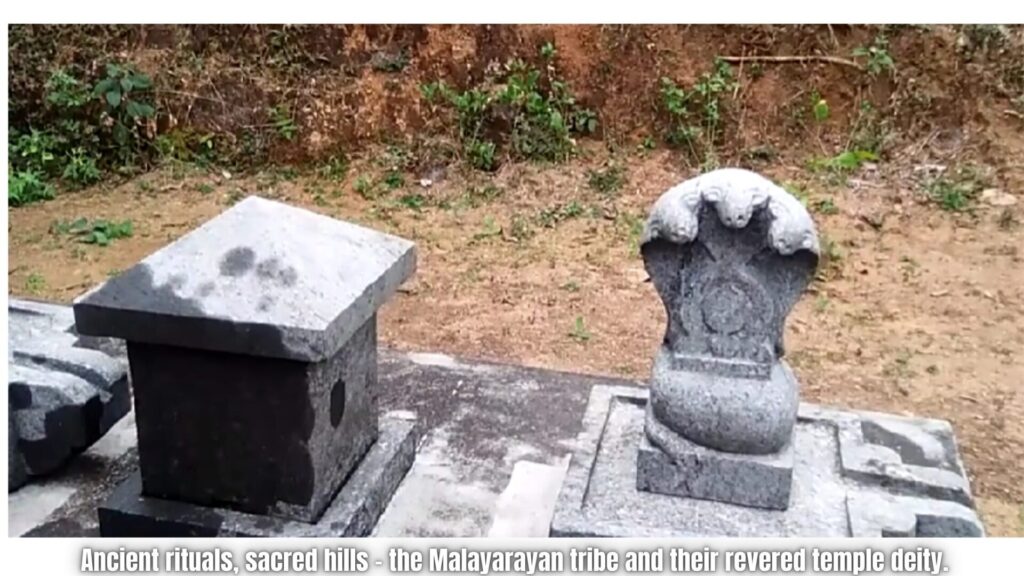
The Malayarayan tribe, an important part of Kerala tribes, mainly lives in the high hills of Idukki and Kottayam districts. This community has a strong connection to the forests and practices farming as a way of life. They also hold rituals that honor nature and ancestral spirits. The traditions, festivals, and oral stories of the Malayarayan tribe highlight their deep cultural ties to the rich heritage of Kerala’s tribal communities.
Location & Population
The Malayarayan tribe primarily resides in the Idukki, Kottayam, and Pathanamthitta districts. Although their population is smaller compared to that of other Kerala tribes, they continue to exert a strong cultural influence. For tribal communities like the Malayarayan tribe, culture and traditions form the core of their identity, proving that numbers alone do not define their importance within Kerala’s tribal heritage.
Lifestyle & Occupation
People from Kerala, who speak Malayalam, mostly work in farming, terrace gardening, and activities related to forests. They focus on sustainability and often share resources within their families. They also have a strong respect for the natural environment.
Traditions & Festivals
The Malayarayan tribe, one of the notable Kerala tribes, engages in the celebration of harvest festivals and practices associated with ancestor worship. Their traditions include community-based rituals, folk songs, and folk dances, all of which play a vital role in fostering unity within the community and preserving their cultural heritage as part of Kerala’s tribal communities.
Dialect
The Malayarayan tribe predominantly speaks Malayalam, which includes distinct dialectical variations. Their oral traditions, folk songs, and ancestral narratives are meticulously preserved in these dialects, significantly contributing to the cultural heritage of the tribal communities in Kerala.
Challenges & Preservation
Modernization, deforestation, and migration present challenges for the Malayarayan caste. Nevertheless, they actively work to preserve their farming traditions, rituals, and cultural practices, maintaining their significant role among the castes of Kerala.
7.Mannan Tribe
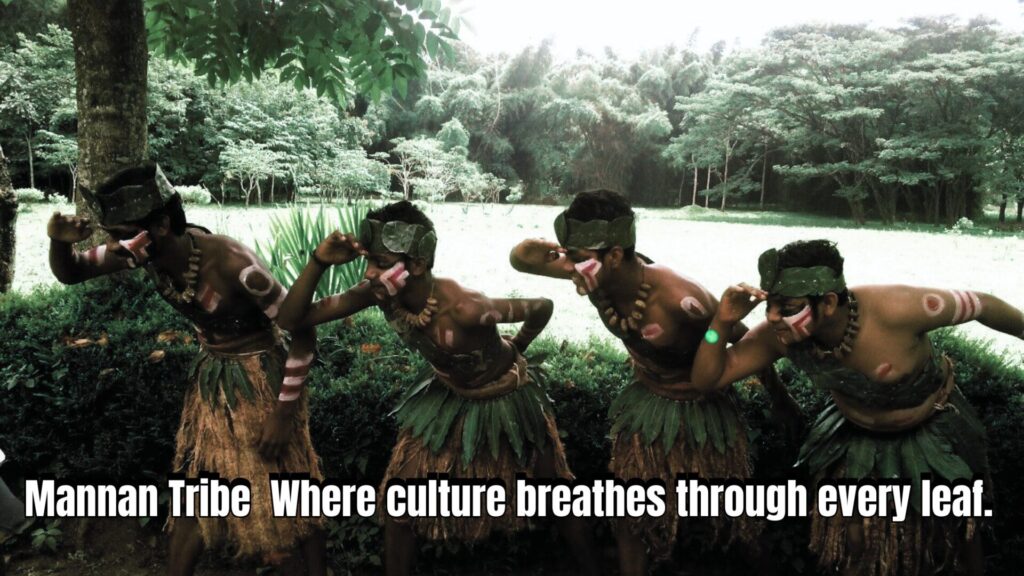
The Mannan tribe, one of the unique Kerala tribes, mainly lives in the forest areas of Idukki and Pathanamthitta districts. The Mannans are known for their strong customs, farming practices, and worship of nature. They have preserved their cultural identity for many centuries. Unlike other Kerala tribes, they follow a traditional system of governance led by a tribal king called the Mannan Raja.
Location & Population
The Mannan tribe lives mainly in the Idukki high ranges and Pathanamthitta. Although their population is small, they have a strong cultural and social presence among the tribes in Kerala.
Lifestyle & Occupation
The Mannan people have a rich tradition as farmers and forest dwellers, engaging in the cultivation of various crops, including paddy, ragi, and tubers. Their reliance on community-based livelihoods and collective farming practices not only sustains their agricultural activities but also fosters a strong sense of unity within their society.
Traditions & Festivals
The Mannan tribe observes festivals that honor the harvest, nature, and ancestral traditions. Their rich cultural heritage is expressed through folk songs, coordinated dances, and colorful community programs, which highlight the diverse cultural landscape of the tribal populations in Kerala.
Dialect
The Mannan tribe, one of the distinct Kerala tribes, mainly speaks Malayalam along with their own tribal dialects. Oral storytelling and folk traditions play an important role in preserving the Mannan tribe’s history and passing cultural values to younger generations, contributing to the rich heritage of Kerala’s tribal communities.
Challenges & Preservation
Modern challenges, such as migration and land loss, create difficulties for the Mannan tribe. Nevertheless, they continue to uphold their cultural heritage, traditional governance, and religious practices, ensuring their unique position within the heritage of Kerala’s tribes remains vibrant.
Message for Young Generations and the Nation
The tribal groups in Kerala, such as the Paniya, Kurumba, and Mannan, are some of the most important Kerala tribes, with a rich history of living in harmony with nature and practicing sustainable ways of life. Young members of these tribal communities, along with other citizens, can learn from their traditions, including environmental care and cultural preservation. By understanding and supporting these Kerala’s tribal communities, youth can help keep their festivals, rituals, and knowledge alive, contributing to the diverse cultural identity of Kerala tribes and ensuring that this valuable heritage continues to inspire future generations.
FAQ
How many tribal communities are there in Kerala?
Kerala has 36 recognized tribal communities, with a population of over 4.8 lakh according to the 2011 Census.
Which are the major tribes of Kerala?
The major tribes include Paniya, Kurumba, Kurichiya, Kadar, Adiyan, Malayarayan, Mannan, and Irula.
What language do Kerala tribes speak?
Most Kerala tribes speak regional Malayalam dialects, along with their own tribal languages or dialects such as Paniya, Kurumba, and Irula.
What are the main occupations of Kerala tribes?
Traditionally, Kerala tribes are farmers, forest gatherers, hunters, and artisans. Many also practice sustainable agriculture and handicrafts.
How can we help preserve Kerala tribes’ culture?
Supporting the education of Kerala tribes, promoting their cultural festivals, respecting the traditions of these tribal communities, and raising awareness about their sustainable practices can help preserve the rich heritage of Kerala’s tribal communities for future generations.
Conclusion
The major tribes of Kerala, including Paniya, Kurumba, Kurichiya, Kadar, Adiyan, Malayarayan, Mannan, and Irula, are living treasures of the state’s rich cultural mosaic. These Kerala tribes embody centuries of traditions, rituals, festivals, and sustainable ways of life that are closely tied to nature. From their unique languages and folk arts to their ancestral knowledge of forests and agriculture, each tribe adds a vibrant thread to Kerala’s diverse heritage.
Despite facing challenges like modernization, deforestation, and socio-economic changes, these tribal communities continue to preserve their identity, teaching the world valuable lessons about community living, respect for nature, and resilience. The youth, both within and outside tribal communities, can learn a lot by observing their lifestyles, participating in their festivals, and understanding their traditions.
Supporting the education of Kerala tribes, promoting their cultural events, respecting their customs, and raising awareness about their sustainable practices ensures that their rich heritage is not lost. By valuing and celebrating the contributions of these tribes, we help maintain Kerala’s tribal culture and inspire future generations to embrace diversity, harmony, and sustainability.
The legacy of Kerala’s tribes is more than history it’s a living guide for the present and future, showing how humans can thrive in balance with nature while honoring their roots. Preserving this ancient wisdom keeps the spirit of Kerala’s tribal communities alive, vibrant, and inspiring for generations to come.
Your feedback means a lot to us.
If you have any questions, suggestions, or concerns, feel free to leave a comment below. We’re here to listen, grow, and improve together.
THANK YOU……………………….